
* Post generated using Gemini AI
The Courtauld Gallery is one of London’s must-visit art museums, renowned for its exceptional collection of Impressionist and Post-Impressionist paintings. Located in the heart of London at Somerset House, the gallery is housed in a magnificent 18th-century building. It is a part of The Courtauld Institute of Art, a self-governing college of the University of London specializing in the study of the history of art and conservation.
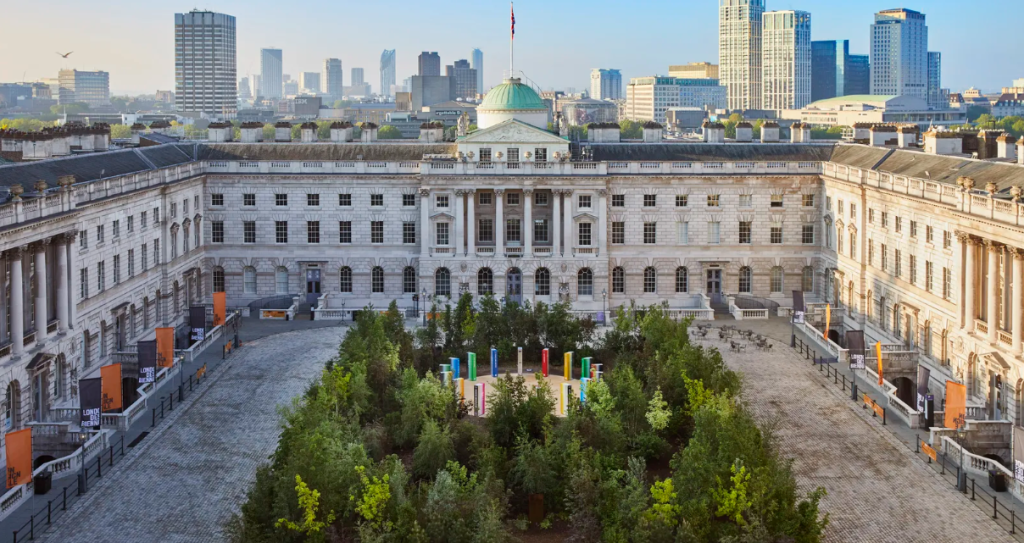
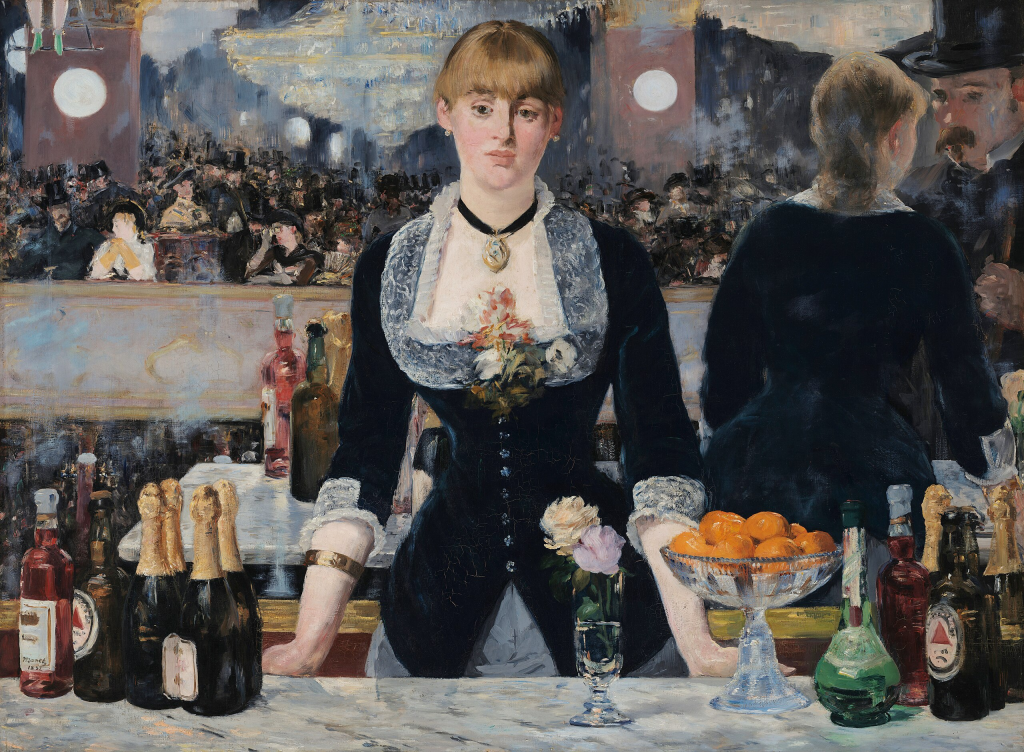
At the heart of the Courtauld’s collection are its masterpieces of Impressionism. The gallery holds an unparalleled selection of works by artists who defined the movement. A prime example is Édouard Manet’s enigmatic final major work, A Bar at the Folies-Bergère. This painting is famous for its complex composition, including a barmaid whose reflection in the mirror behind her seems to contradict her real-world presence, offering a fascinating glimpse into the Parisian nightlife of the era.
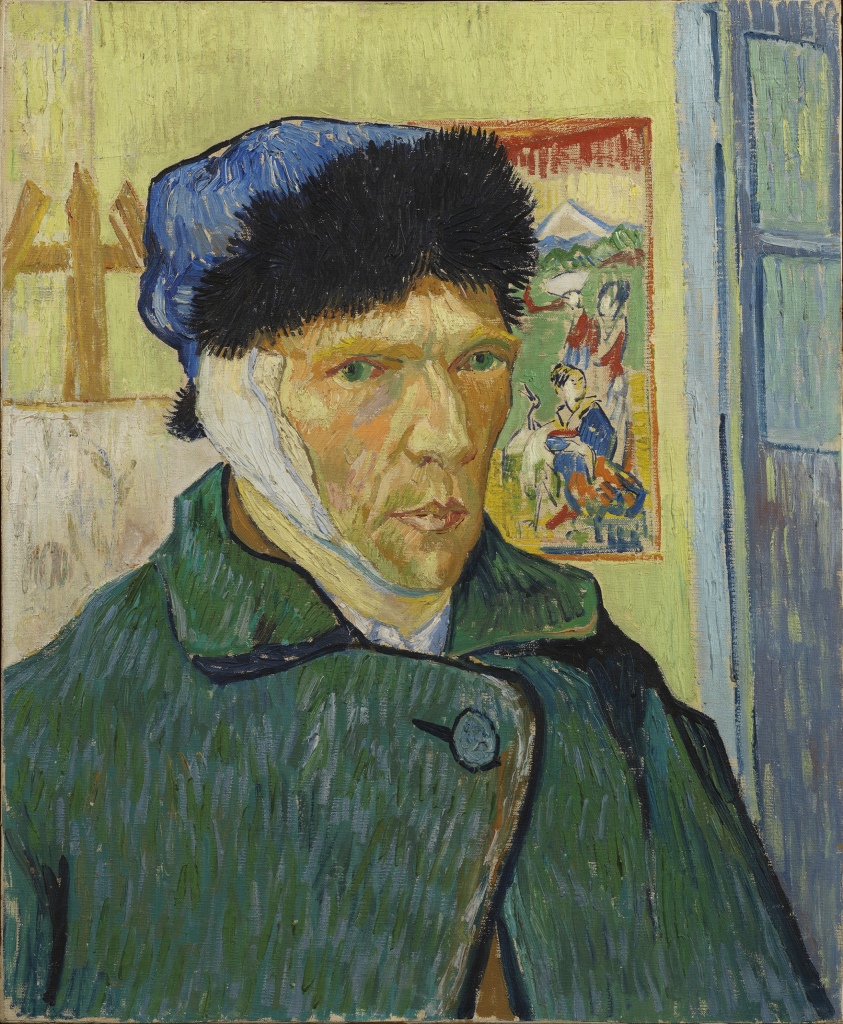
Moving beyond Impressionism, the gallery’s Post-Impressionist collection is equally significant, featuring iconic works that paved the way for modern art. Among the most powerful pieces is Vincent van Gogh’s Self-Portrait with Bandaged Ear. Painted shortly after he tragically severed a part of his own ear, this intense and deeply personal portrait is a testament to the artist’s emotional turmoil and his unique, expressive style.
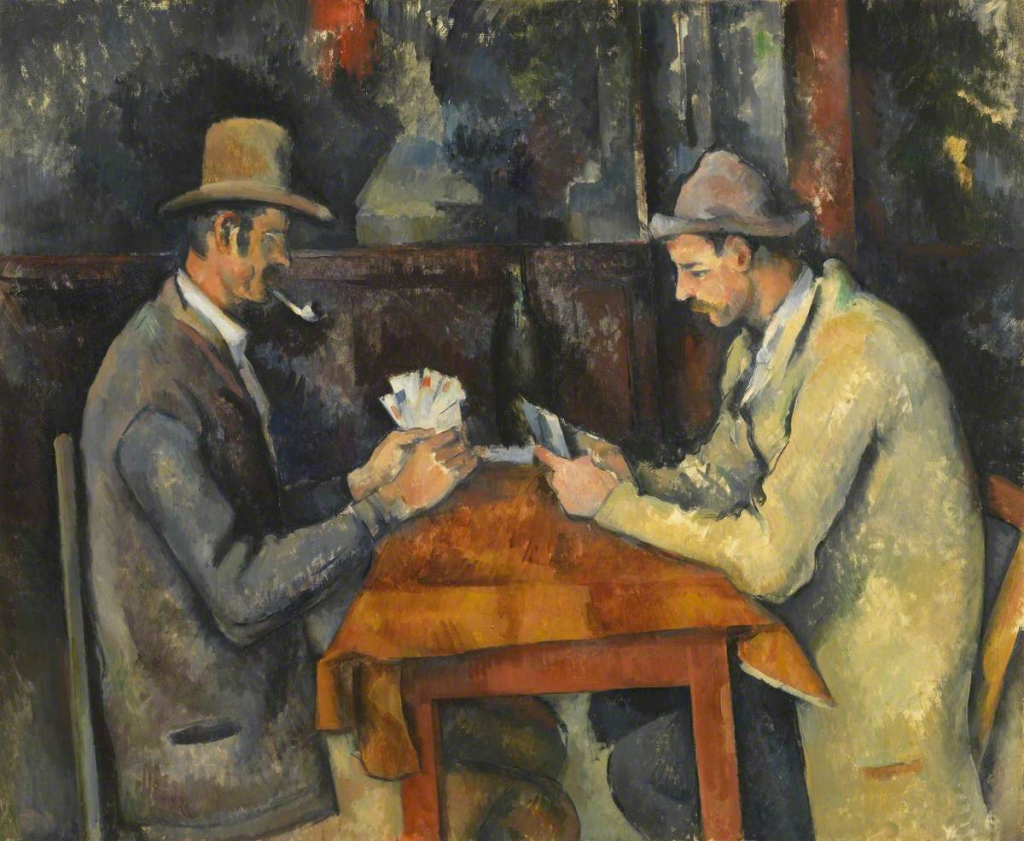
The gallery’s collection is not limited to these two movements, but they form its core. Another highlight is the work of Paul Cézanne, often called the “father of modern art”. The Courtauld holds the finest collection of his work in the UK, including one of the famous paintings from his The Card Players series. These works, with their geometric forms and structural brushwork, were instrumental in the development of Cubism.
In addition to its painting collection, the Courtauld Gallery also holds an impressive array of drawings, prints, and sculpture, from the Renaissance to the 20th century. Its commitment to education and research makes it a vital center for the study and appreciation of art history, offering a rich experience for visitors and scholars alike.
