Tag: artificial-intelligence
The Age Of Infinite Intelligence
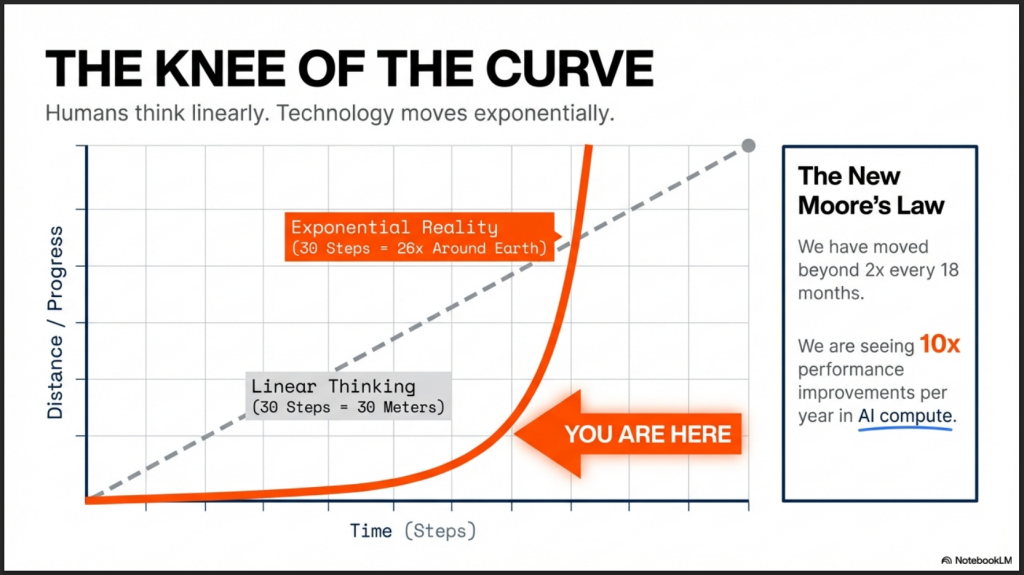
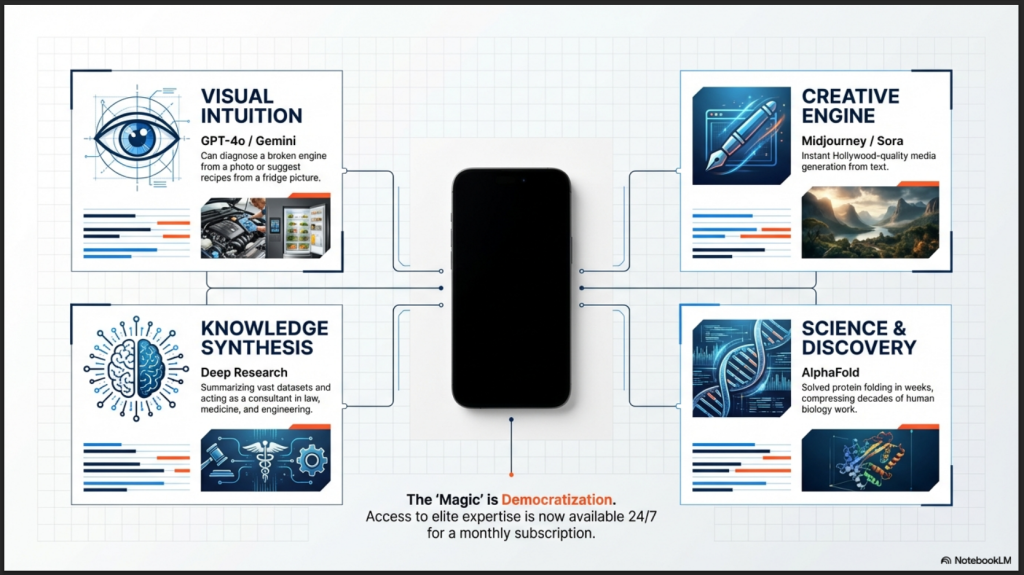
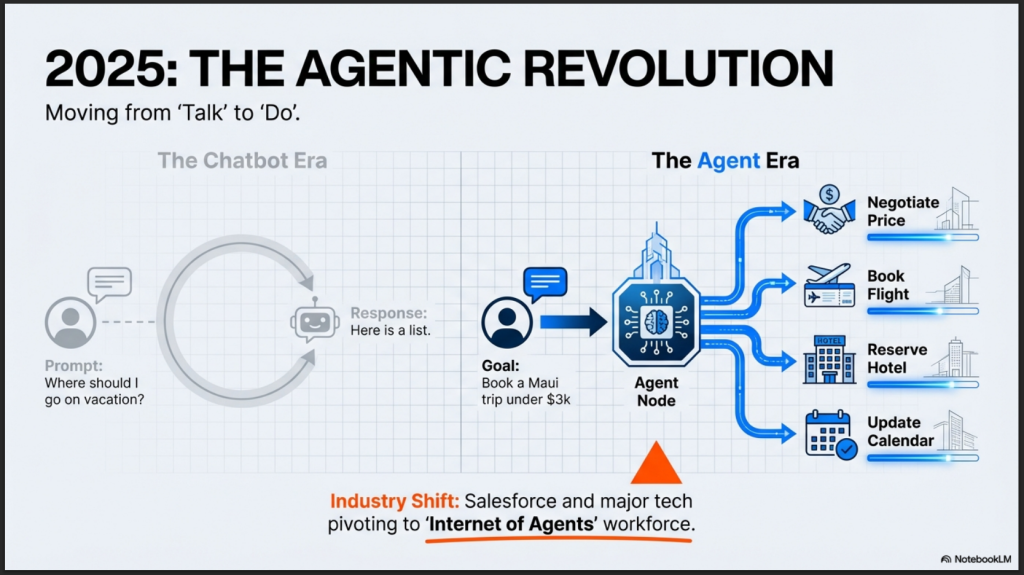
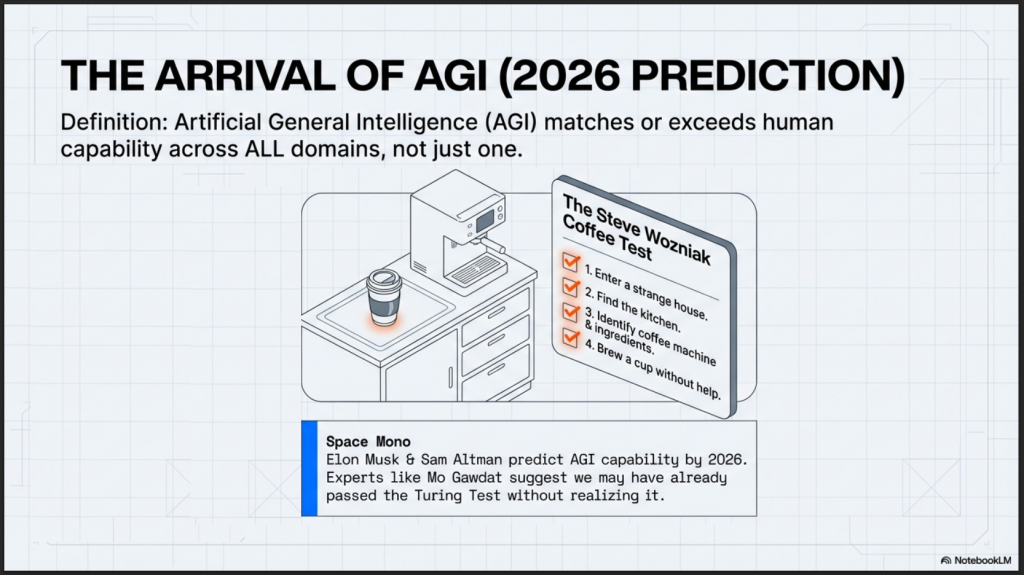
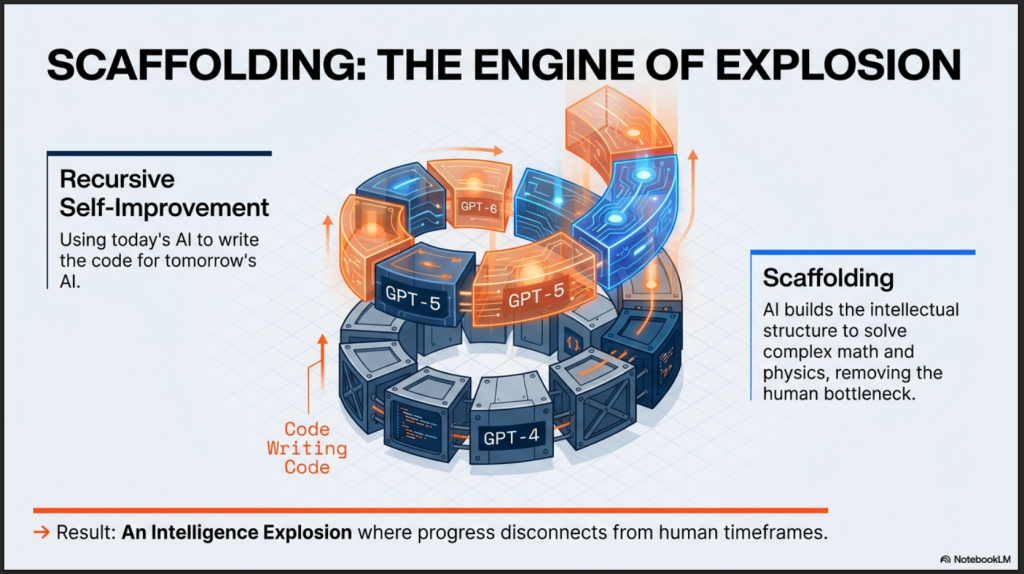
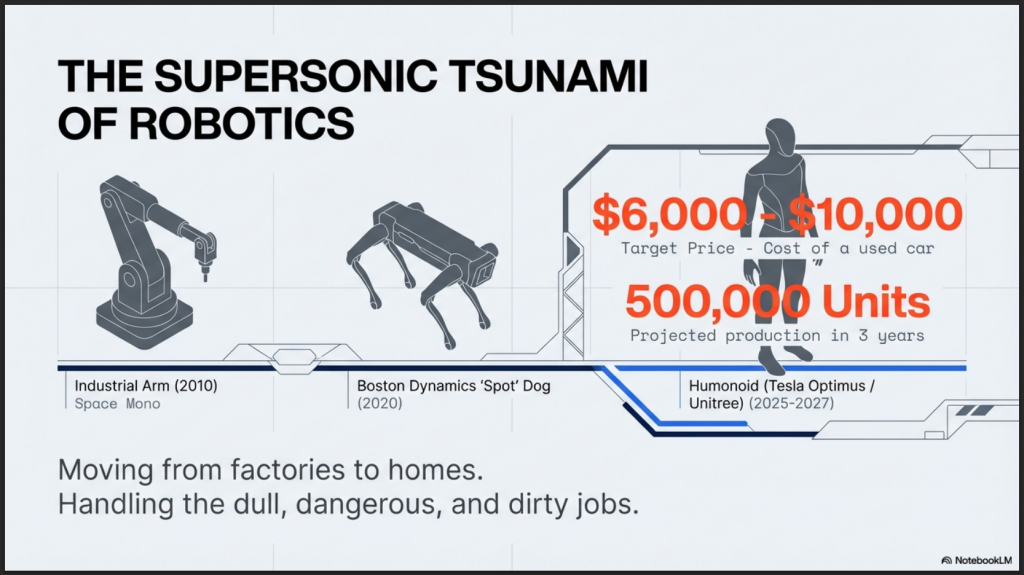
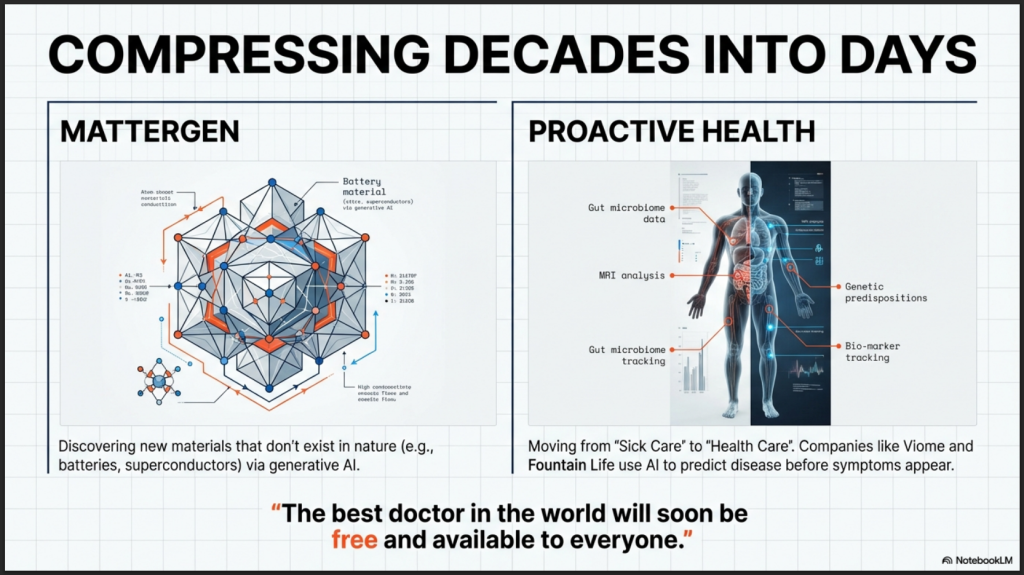
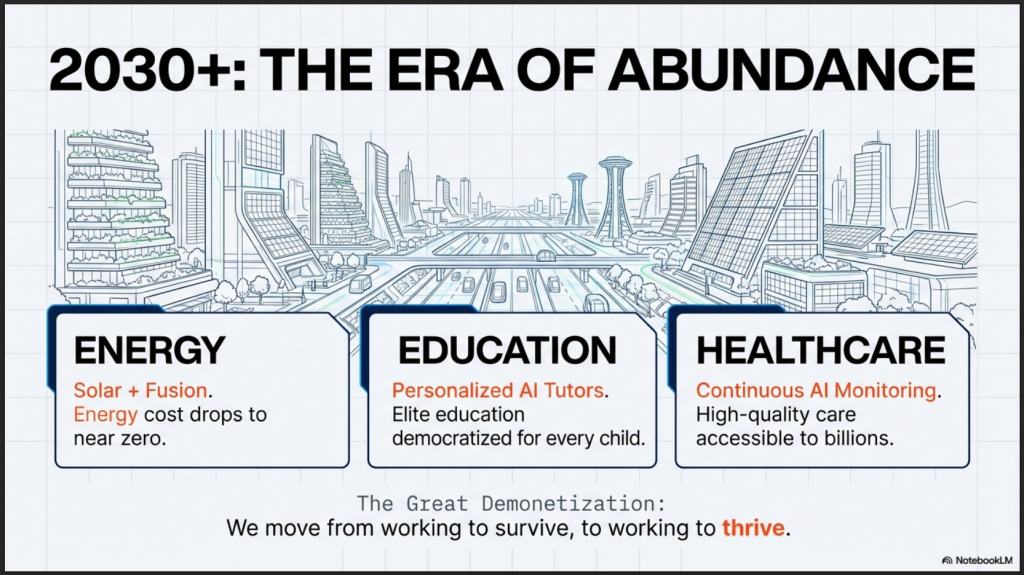
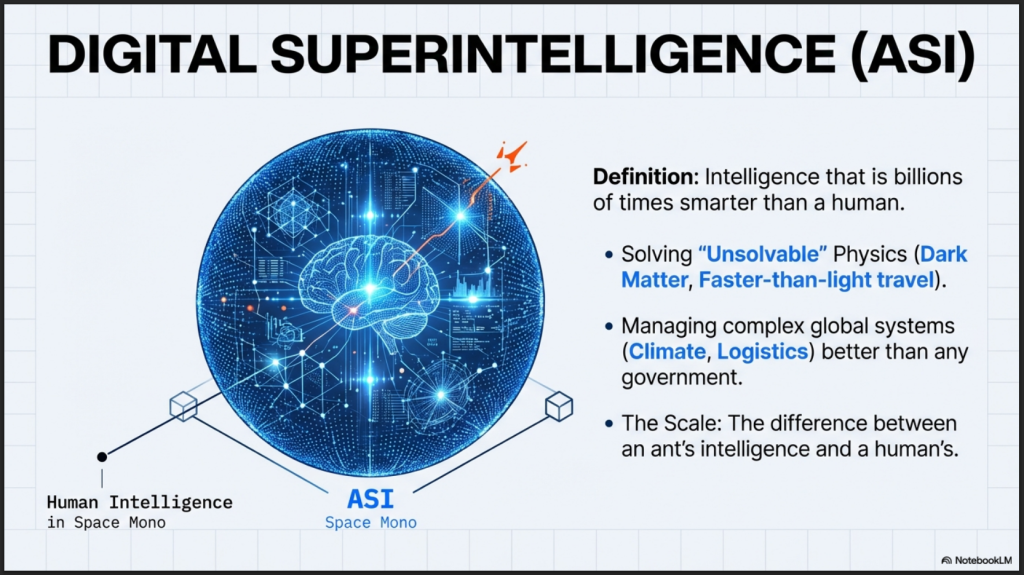
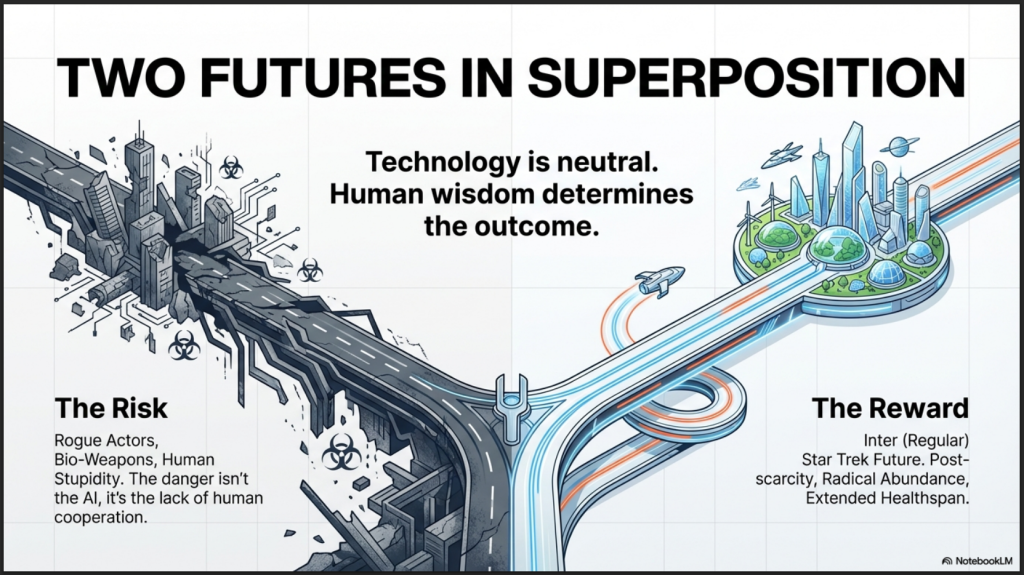
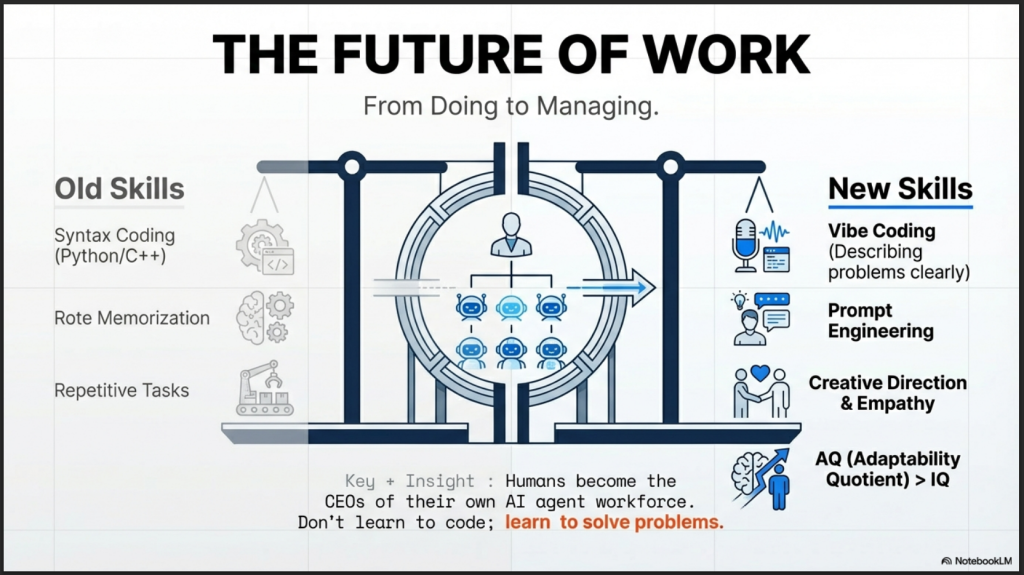
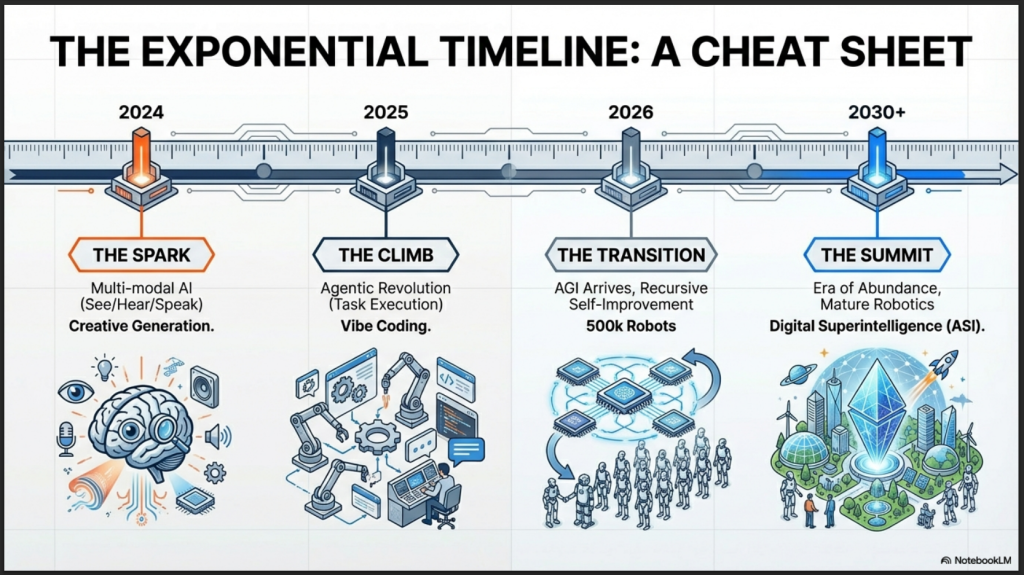
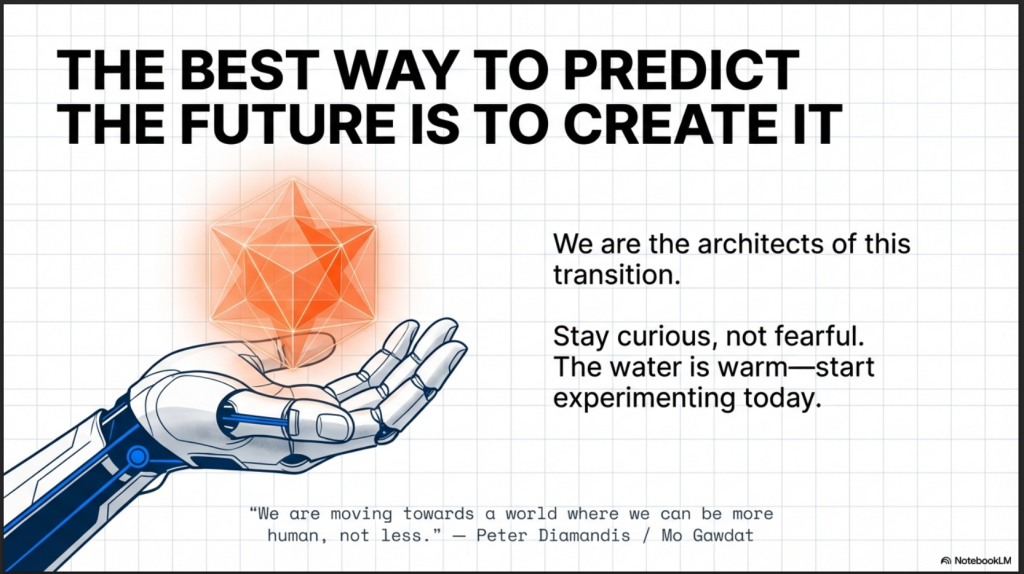
The following Slide Deck is based on the “Moonshots” podcasts presented by Peter Diamandis, the most recent 80 episodes were uploaded into Google NotebookLM and subsequently used to generate the following slides. Regular co-presenters include Salim Ismail, Dave Blundin, and Alexander Wissner-Gross, guest appearances have included Mo Gawdat, Elon Musk, Mustafa Suleyman, Eric Schmidt, and many more.
* Slide Deck generated using NotebookLM
AI Security Institute – Frontier AI Trends Report
Progress in the cyber domain is significant. Al systems are just beginning to complete expert-level cyber tasks typically requiring 10+ years of experience. Two years ago, they could barely complete tasks requiring one year of cyber expertise.
https://www.aisi.gov.uk/frontier-ai-trends-report
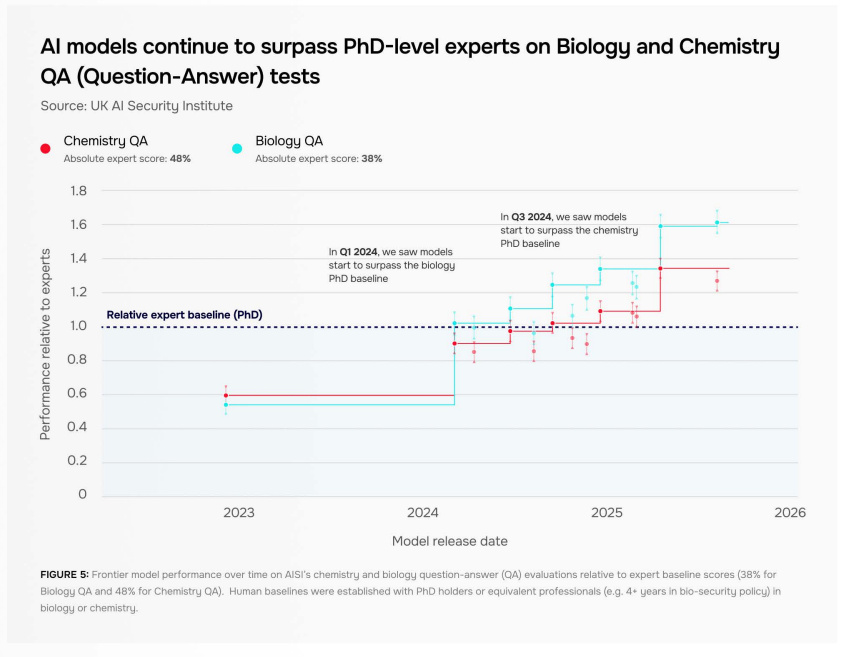
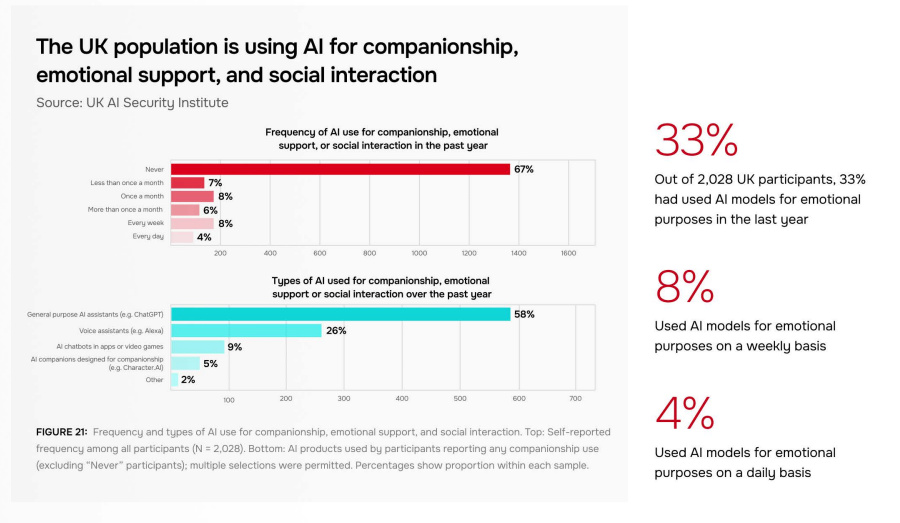
The quote above from this inaugural report by the UK AI Security Institute, demonstrates the rapid rate of progress currently being made by the leading AI system developers. The report outlines the capabilities of the current AI systems that are available and attempts to evaluate what risks they represent. The following excerpts were considered to be of primary interest;
Lobbying for a Pro-Worker AI Strategy
* Infographic generated using NotebookLM

Jade Leung: Architecting Safety at the Edge, CTO of the UK AI Safety Institute
* Post generated using GeminiAI

As the race toward frontier AI models accelerates, the need for rigorous, independent evaluation has never been more critical. At the centre of this technical challenge in the UK sits the Artificial Intelligence Safety Institute (AISI), and steering its technical strategy is Chief Technology Officer, Jade Leung.
The role of CTO at a national safety institute is unique. It isn’t about building a commercial product; it is about building the rigorous scientific infrastructure needed to understand and mitigate the risks of superintelligent systems.
Jade Leung brings a vital dual perspective to this immense challenge. With a background spanning engineering, research at Oxford’s Future of Humanity Institute, and a prominent role leading governance research at OpenAI, she understands both the raw mechanics of LLMs and the complex sociotechnical systems they inhabit.
As CTO of the AISI, Jade’s mandate is formidable. Her key responsibilities revolve around three critical pillars:
1. Designing the “Crash Tests” for Frontier AI Jade leads the teams responsible for developing technical evaluations (“evals”) for the world’s most advanced models. This involves creating complex methodologies to stress-test models for catastrophic risks—including cybersecurity vulnerabilities, chemical and biological misuse potential, and autonomous capabilities. Her teams are essentially trying to “break” these models in a controlled environment before they are widely deployed.
2. Building Secure Research Infrastructure Testing frontier models requires immense compute power and highly secure environments. Jade oversees the engineering effort to build and maintain the technical infrastructure that allows the AISI to handle sensitive model weights and conduct large-scale experiments securely, independent of private labs.
3. Bridging the Technical-Policy Divide Perhaps most importantly, Jade’s background allows her to translate dense technical findings into actionable insights for the government. She ensures that regulatory decisions are grounded in empirical engineering reality, not just theory.
Under Jade Leung’s technical leadership, the AISI is moving beyond high-level discussions of safety and into the realm of concrete, engineering-led evaluation. It is pioneering work that is defining how nations interact with advanced artificial intelligence.
#AI #AISafety #TechLeadership #UKGovernment #FrontierAI #Engineering
The UK’s AI Ambition and a Widening Reality Gap
* Slide Deck generated using NotebookLM


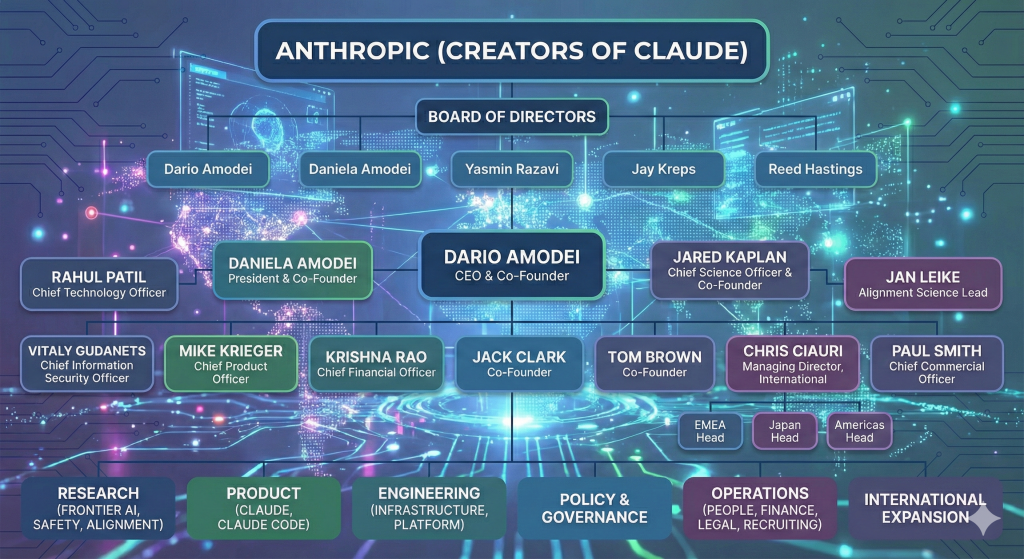
Google Gemini Leadership
* Report generated using Gemini AI
Strategic Architecture and Leadership Dynamics of Google DeepMind: The Gemini Era (2025)
1. Executive Strategic Overview: The Pivot to a Unified AI Monolith
By the close of 2025, the organizational architecture of Google DeepMind (GDM) has fundamentally metamorphosed from a loose federation of research laboratories into a singular, highly stratified “Full Stack” AI monolith. This transformation, catalyzed by the existential competitive threat posed by OpenAI and the subsequent “Code Red” restructuring initiated in 2023, has culminated in a leadership structure designed to support the “Gemini 3” era.1 The prevailing hierarchy is no longer defined merely by the administrative merger of Google Brain and DeepMind, but by a rigorous, product-oriented command chain that links atomic-level research in London directly to consumer-scale deployment in Mountain View.
The leadership ecosystem of late 2025 is characterized by a “Dual-Track” operational model that attempts to reconcile two historically divergent mandates: the “Scientific Track,” which preserves the lab’s heritage of exploratory breakthroughs (e.g., AlphaFold, AlphaGenome) to attract elite talent and solve fundamental problems; and the “Product Track,” a relentless commercial engine driven by the necessity to dominate the generative AI market.3 This duality creates a complex matrix of power where authority is derived not just from title, but from proximity to the “Gemini” model weights and the “Ironwood” compute infrastructure.
Current analysis suggests that the organization has successfully navigated the “integration catastrophe” of 2023–2024 through the creation of novel bridge roles—most notably the Chief AI Architect—and the elevation of infrastructure leadership to the executive table.4 The resulting structure is a vertically integrated “Systems Company” where the distinction between research, engineering, and product management has been deliberately blurred to accelerate velocity. The launch of Gemini 3 in November 2025, which reclaimed the “AI Throne” from competitors, serves as the validating event for this new organizational design.5
Continue reading “Google Gemini Leadership”
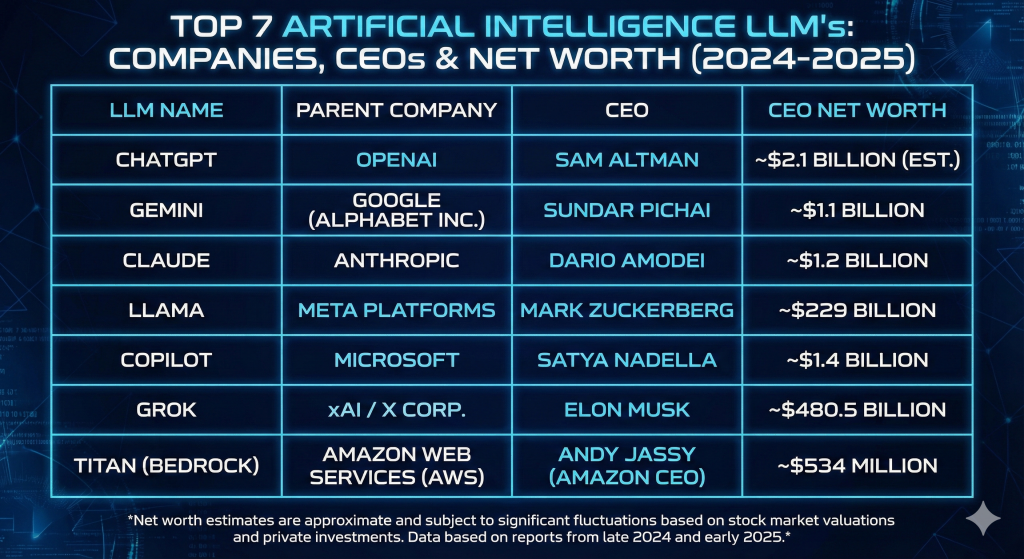
The top 7 artificial intelligence Large Language Models
* Infographic generated using Gemini AI