Month: March 2021



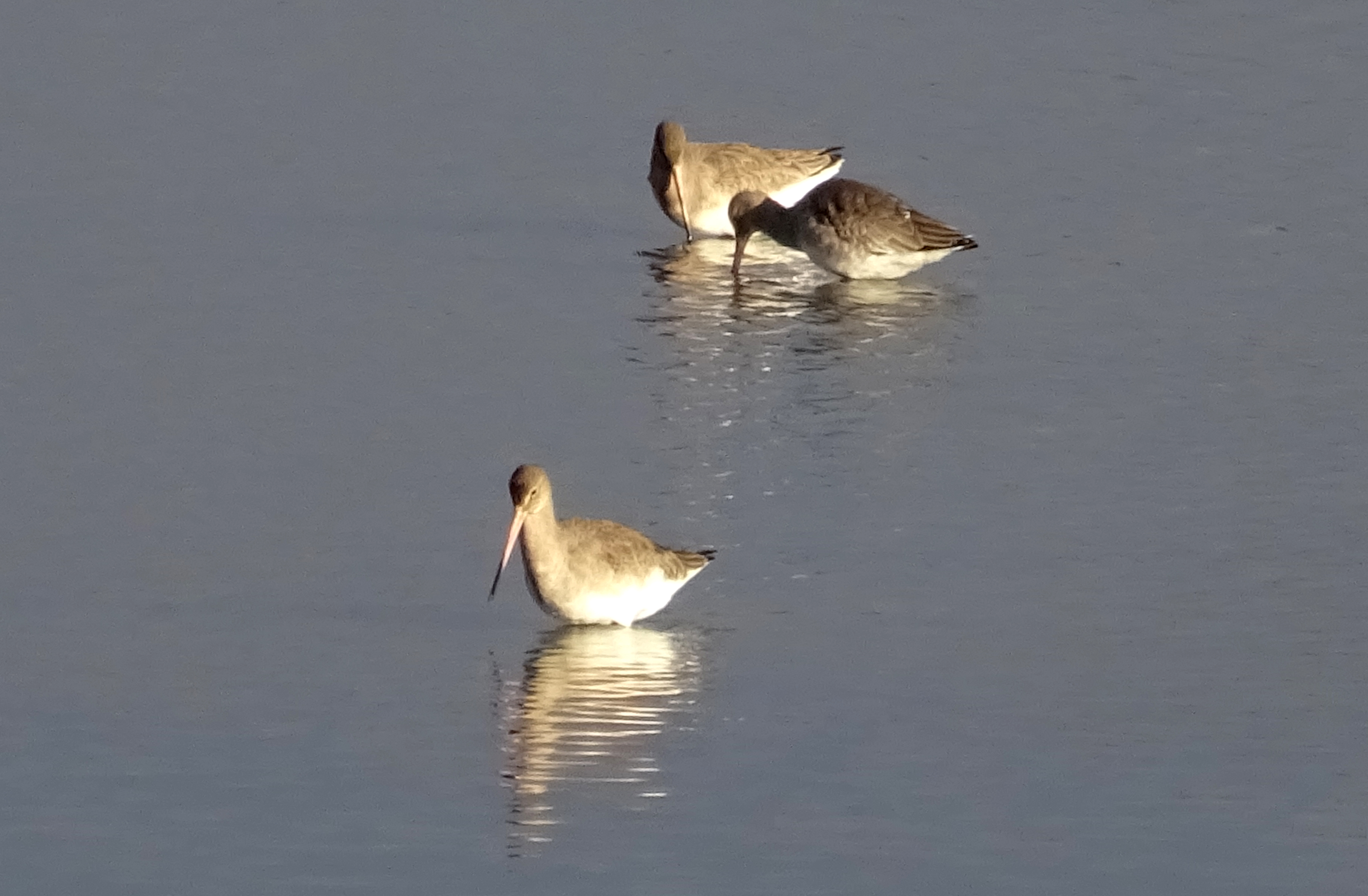
Black-Tailed Godwit – Titchfield Haven
* Post generated using PerplexityAI
Black-tailed Godwits are long-distance migrants that move between northern breeding grounds and more southerly wintering areas in distinct regional flyways. Their migration strategies vary between subspecies and populations but show strong individual consistency in timing and destinations.
Breeding and winter ranges
Black-tailed Godwits breed from Iceland across north-western and central Europe into parts of central Asia, nesting in wet grasslands, damp meadows, fens, bogs and lake margins. In the non-breeding season they migrate to western Europe, the Mediterranean, West Africa, the Indian subcontinent, and as far as Australia and New Zealand, using estuaries, mudflats, swamps, floods and irrigated rice fields.
Main migration flyways
There are two main Eurasia–Africa flyways for this species: Icelandic birds mostly move south-east to winter in the British Isles, Bay of Biscay and Portugal, whereas continental European birds move south-west to winter along the coasts and wetlands of West Africa, including Senegal, Sierra Leone and Mali’s Inner Niger delta. An increasing number of continental birds now remain in Iberia for the whole winter, reflecting changing habitat and climate conditions.
Timing and distance
Godwits are classic long-distance migrants, with adults leaving breeding grounds from late summer and returning in spring, often flying several thousand kilometres with a few key staging stops. In north-west Europe, passage peaks in spring and autumn as Icelandic breeders move through to or from wintering areas in Britain, Ireland, France and Portugal.
Individual and population behaviour
Adult godwits show strong individual consistency in migration timing, routes, stopover sites and wintering grounds from year to year, even though there is wide variation among different individuals. In contrast, juveniles often depart later, show more exploratory routes and novel stopovers, and suffer higher mortality, suggesting that migratory “habits” are refined through experience and environmental learning rather than fixed solely by hatch date.
Regional differences (e.g. Dutch vs Polish)
Studies comparing Dutch and Polish breeders show that Polish birds tend to leave earlier in southward migration, make longer stopovers in southern Europe, and can change routes between years, whereas Dutch birds are more route-faithful. These differences may be driven by habitat quality and the smaller size of the Polish population, which could limit social learning from experienced migrants and promote more flexible, individualised routes.

Turnstones – Titchfield Haven

* Post generated using PerplexityAI
Main diet
During the Arctic breeding season, turnstones feed largely on adult and larval flies and midges, plus other insects such as spiders, beetles, bees and wasps. Outside the breeding season their diet broadens to include small crustaceans, molluscs, shore crabs, periwinkles and other marine invertebrates taken along rocky and sandy coasts.
Foraging techniques
Turnstones get their name from their habit of bending their legs, wedging the bill under stones, shells or seaweed, and snapping the head to flip them over, then seizing exposed prey. They also flick and plough through seaweed, pick items from rocks, sand and shallow water, chisel open shellfish, and occasionally dig in shingle, with some individuals specialising in particular methods.
Scavenging and opportunism
These birds are notable scavengers, readily picking at dead fish and mammals washed ashore and taking advantage of human food such as bread, rice and chips in harbours and seaside towns. They may raid unattended nests for eggs, and have even been recorded feeding on large carcasses, including, in rare documented cases, human corpses.
Habitat and context of feeding
On migration and in winter, turnstones concentrate along rocky coasts, harbour walls, piers and wrack-strewn strandlines where stones, shells and seaweed provide many hiding places for invertebrates. In these areas they often feed in small flocks, with dominant birds defending rich patches of seaweed or prey and subordinates pushed to less profitable spots.
Grey Heron – Titchfield Haven
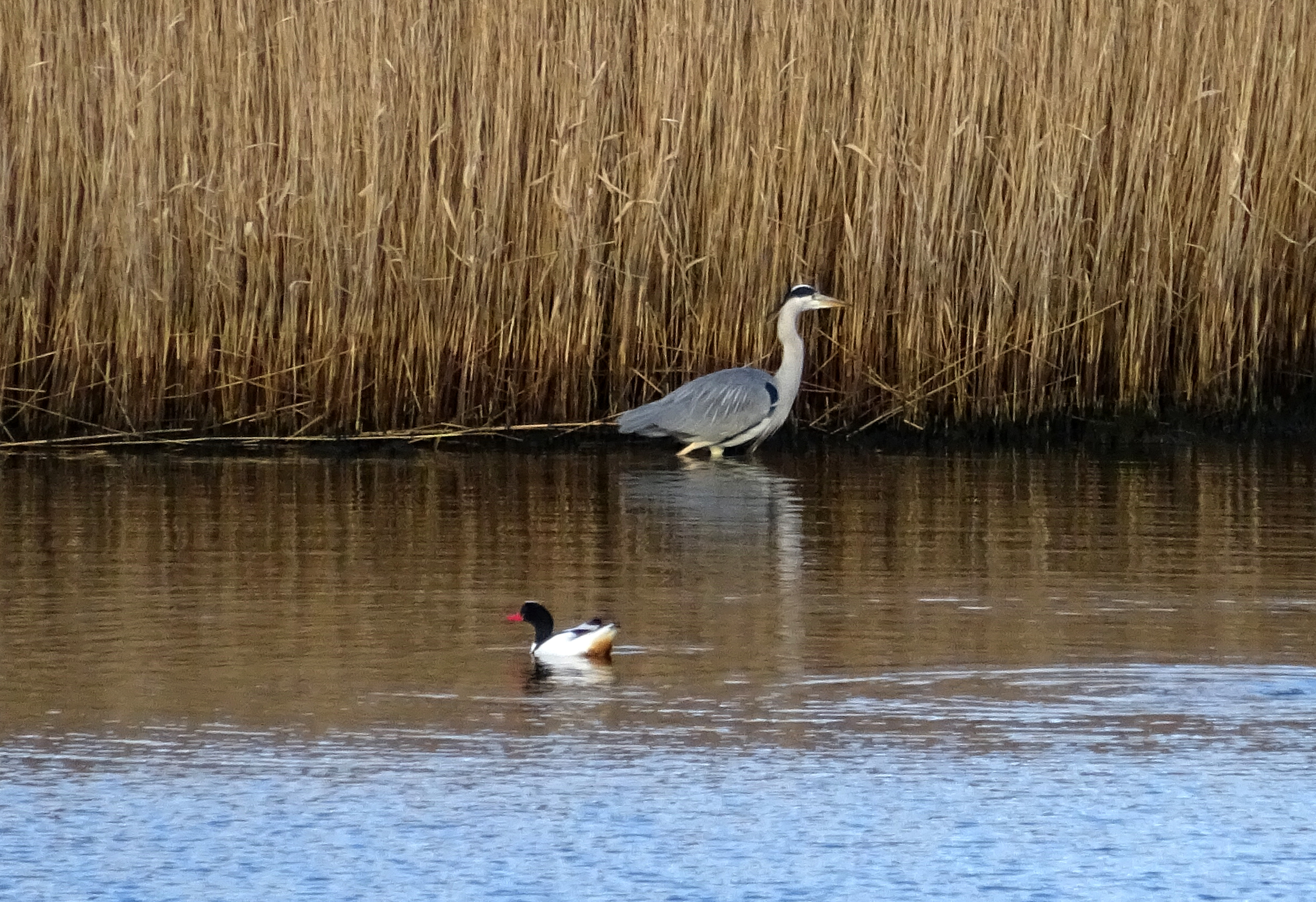
A Grey Heron skulks along the reed bed at The Haven, a Shelduck can also be seen in the foreground.
The Lewis Chessmen – British Museum
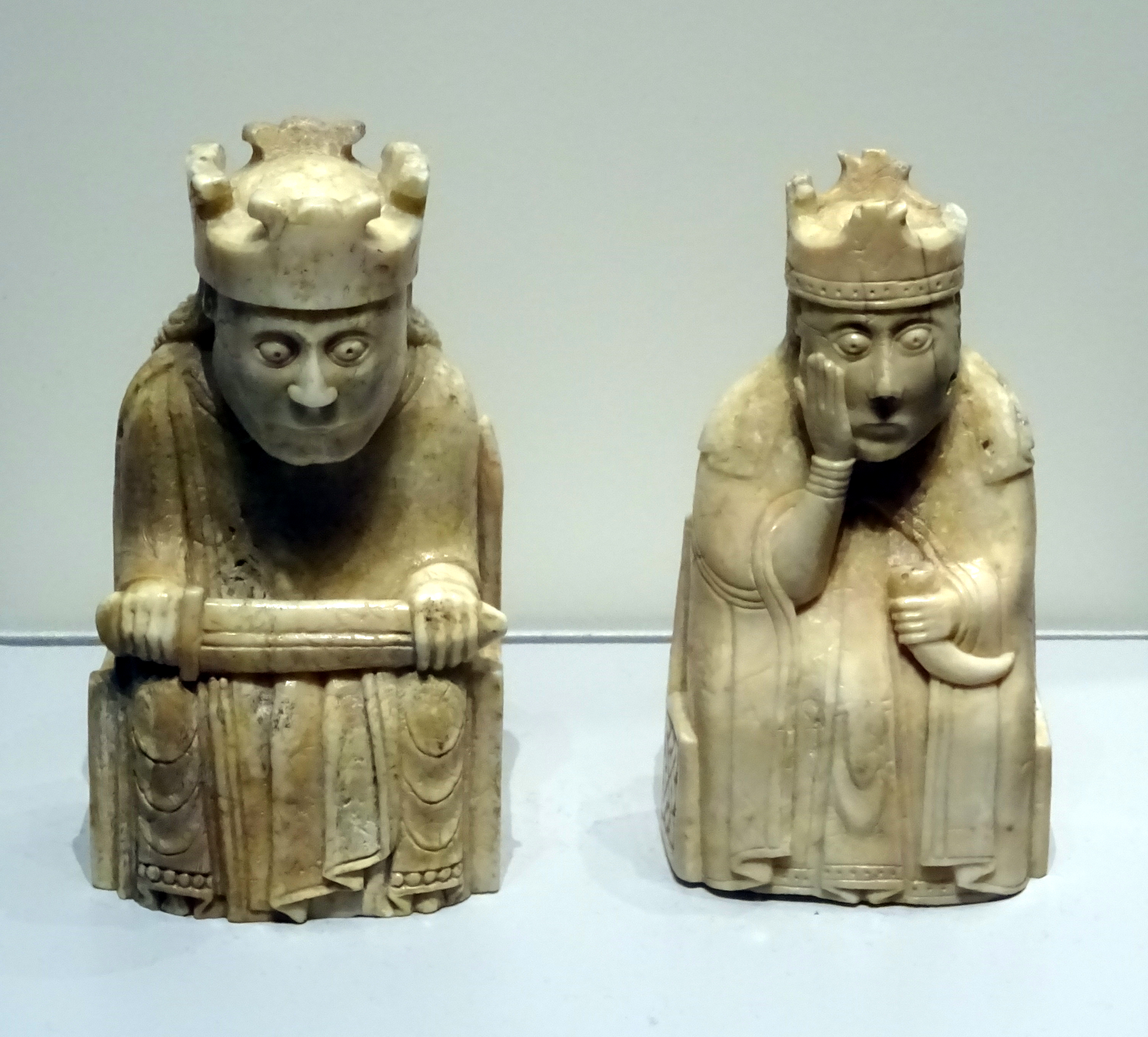
Also known as the UIG chessmen, these pieces date back to the 12th Century.
https://en.wikipedia.org/wiki/Lewis_chessmen
The Mystery of the Sands: The 12th-Century Lewis Chessmen
In 1831, a hoard emerged from a sandbank on the Isle of Lewis in the Outer Hebrides of Scotland that would change our understanding of medieval gaming and artistry.
The Lewis Chessmen are perhaps the most famous chess pieces in the world. Comprising 93 artifacts (mostly chess pieces, but also some other gaming counters), the hoard dates back to the late 12th or early 13th century.
The Norse Connection While found in Scotland, analysis suggests they were carved in Trondheim, Norway. During this period, the Outer Hebrides were under Norse rule. The pieces are intricately carved from walrus ivory and sperm whale tooth, materials highly valued in the medieval trade networks.
A Window into the Medieval Mind Beyond their age, the pieces are beloved for their distinct human characteristics. Unlike abstract modern pieces, these are caricatures of medieval society. The Kings are seated with swords across their knees; Bishops are robed and contemplative; Knights are mounted on diminutive horses.
Most famous are the Rooks—depicted as fierce Norse “berserkers” biting their shields—and the Queens, who hold their hands to their faces in a gesture of contemplation or dismay.
Today, the hoard is divided between the British Museum in London and the National Museum of Scotland in Edinburgh. They remain a stunning testament to the craftsmanship and complex cultural connections of the Viking Age.

#History #Archaeology #MedievalStudies #VikingAge #Art andCulture #Museums
Fallow Deer – RSPB Arne
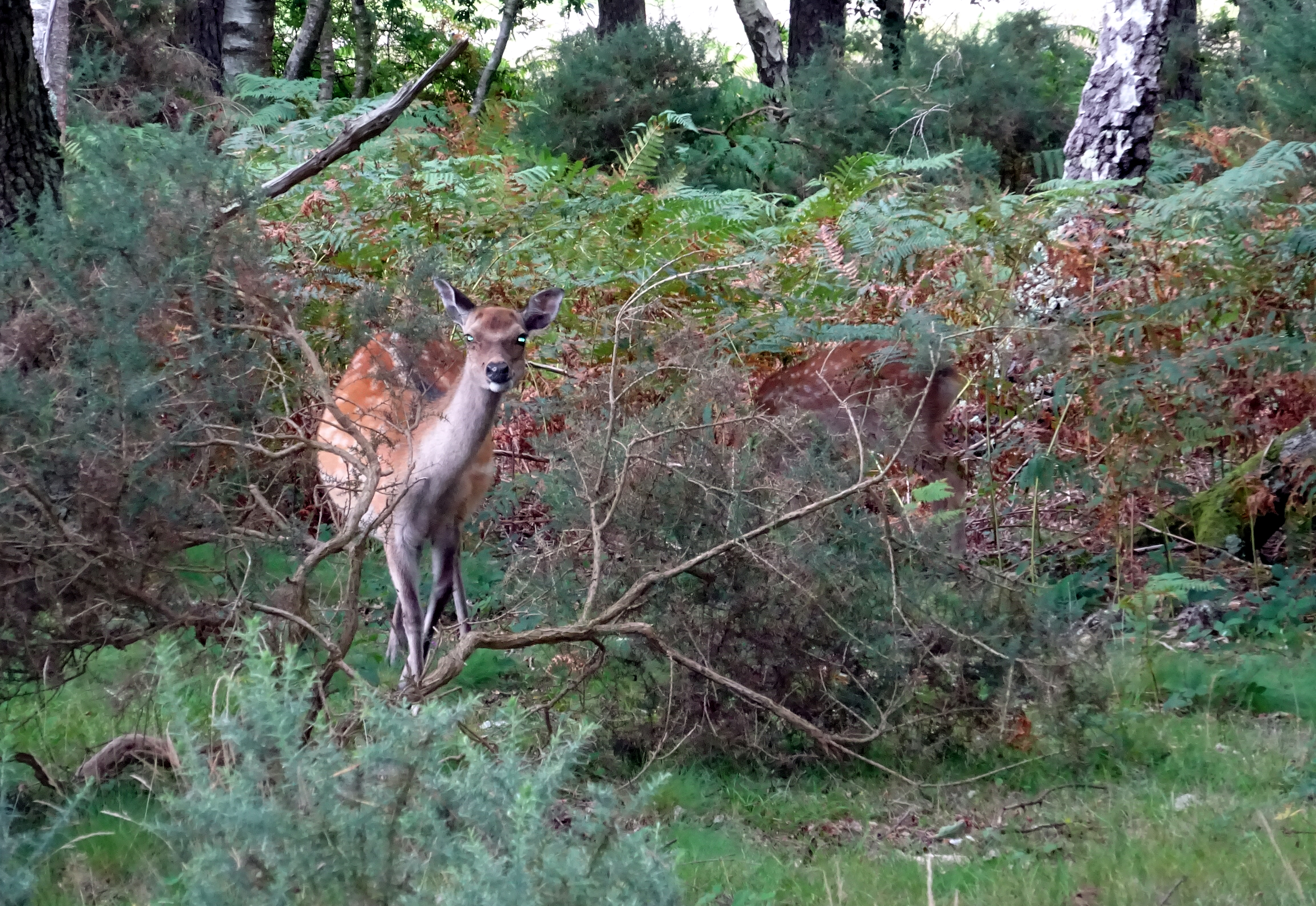
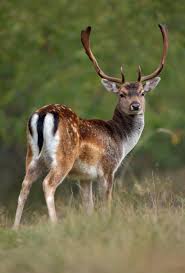
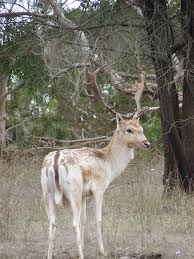
The fallow deer (Dama dama) is a medium-sized deer species known for its typically spotted coat, white rump patch outlined in black, and broad, palmate (shovel-shaped) antlers on the males (bucks).
Fallow deer are native to Europe and Anatolia, but have been widely introduced across the world, including the UK, North America, and Australia, and are considered a naturalised, widespread species in many of these regions.
Key Characteristics
- Size: They are medium-sized deer; adult males (bucks) weigh 46–93 kg, and females (does) weigh 35–56 kg.
- Appearance: The coat color is highly variable, with four main variations:
- Common: Chestnut-brown with white spots in summer, becoming a duller grey-brown in winter.
- Menil: Paler tan color with white spots that are visible all year.
- Melanistic: Almost entirely black or dark chocolate brown with no spots.
- White: A genuine color variation, not albino, appearing almost entirely white.
They all share a distinctive white rump patch with a black, horseshoe-shaped border and a long tail with a black stripe down the middle.
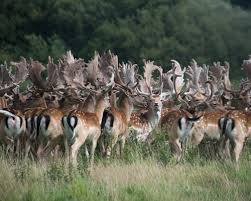
- Antlers: Only bucks have antlers, which are broad and flattened (palmate) in mature individuals and are shed and regrown annually.
- Habitat: They are adaptable and thrive in broadleaved or mixed woodlands with open clearings and parklands.
Behaviour and Diet
Fallow deer are social animals, typically living in herds, though outside the breeding season (rut), bucks often form separate bachelor groups. They are active throughout the day, but peak activity occurs at dawn and dusk.
Their diet is flexible, consisting mainly of:
- Grasses and herbs.
- Leaves, bark, and young tree shoots.
- Nuts, berries, and fungi in the autumn and winter.
Reproduction
The breeding season, known as the rut, occurs in October and November. During this time, bucks establish and defend “rutting stands” (territories) by thrashing foliage and calling loudly with groans or belly belches to attract and mate with does. After a gestation period of around 230 days, a single fawn is typically born in June or July.
Status and Management
While not native to the UK, fallow deer have been present for over 1,000 years and are now naturalised and widespread, making them the most common deer in England. However, in some areas, their high populations can cause damage to forestry and agriculture, necessitating careful population management. They are also a common cause of deer-vehicle collisions.
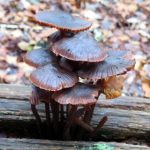
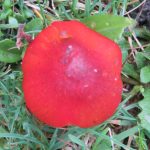
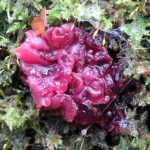
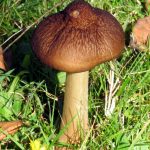
Fungi – Stansted Forest
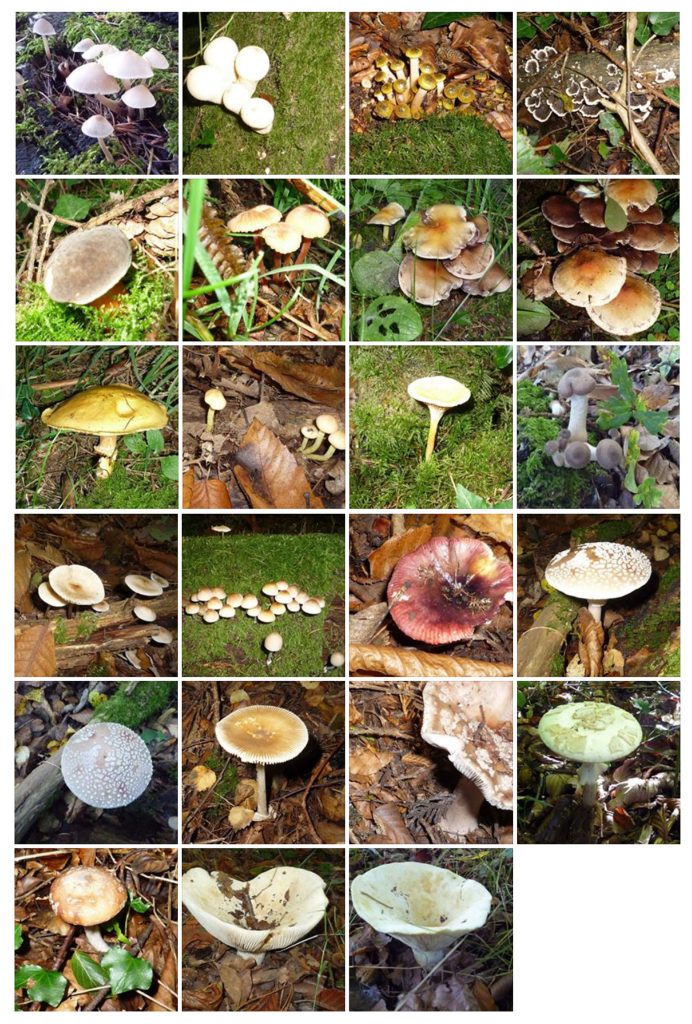
A selection of Fungi seen during an autumn walk at Stansted Forest in Hampshire, UK.
Achilles Shield – British Gallery “Troy” Exhibition

A representation of Achilles Shield, this exhibit was included in the recent “Troy” exhibition at the British Gallery, 2020.