Month: January 2026
The Stoic Standard: Rudyard Kipling’s “If”

Few poems have permeated the global consciousness quite like Rudyard Kipling’s “If”. First published in 1910 within his collection Rewards and Fairies, it has become a definitive anthem of Victorian stoicism and “British grit.” Despite being over a century old, its lines are still found on graduation cards, locker room walls, and even above the players’ entrance at Wimbledon’s Centre Court.
Continue reading “The Stoic Standard: Rudyard Kipling’s “If””The Hidden Tapestry: An Exhaustive Investigation into Obscure Biblical Genealogies and Familial Links

1. Introduction: The Theological Architecture of Lineage
In the modern Western mind, genealogy is often relegated to the domain of hobbyists seeking ancestry or the legalities of probate. However, within the biblical corpus, genealogy is the primary skeleton of history. It serves functions far beyond the biological; these lists are political charters, maps of alliance, claims to priesthood, and definitions of inheritance. To read the biblical text without a robust understanding of these familial networks is to view a two-dimensional map of a three-dimensional terrain. The casual reader often skips the “begats,” seeing them as arid interruptions to the narrative flow. Yet, it is within these dry lists that the most profound motivations for biblical events are hidden.
When Abraham calls Lot his “brother,” or when Jesus creates an inner circle of three disciples, or when a civil war erupts between the generals of David and Absalom, the underlying dynamic is almost always one of blood and marriage. The Bible was written within high-context societies where kinship was the paramount social reality. An individual’s identity was inextricably bound to their bet av (house of the father). Therefore, when the text introduces a character, it often assumes the reader understands the tribal and familial baggage they carry.
This report conducts a forensic examination of these obscured relationships. By cross-referencing the Masoretic Text (Hebrew Bible), the Septuagint (Greek Old Testament), and the New Testament, and by analyzing the specific semantic ranges of kinship terms like ach (brother) and anepsios (cousin), we reconstruct the hidden family trees that shaped the history of redemption. We will investigate the Levitical purity of Moses, the Moabite blood in the Messiah, the internecine warfare of David’s nephews, and the cousin-consortium that formed the apostolic foundation of the Church.
Continue reading “The Hidden Tapestry: An Exhaustive Investigation into Obscure Biblical Genealogies and Familial Links”The Davos Realignment: An Exhaustive Analytical Review of President Donald Trump’s 2026 World Economic Forum Address

Executive Summary
On January 21, 2026, President Donald J. Trump returned to the World Economic Forum in Davos, Switzerland, to deliver a defining address of his second term. Marking the one-year anniversary of his inauguration, the speech served as both a victory lap for his administration’s radical economic restructuring and a stark warning to the globalist status quo represented by the Davos attendees. Under the banner of an American “Golden Age,” President Trump outlined a series of profound shifts in United States policy, ranging from the aggressive dismantling of the federal bureaucracy and the imposition of a protectionist trade regime to a reassertion of American energy dominance and a transactional approach to geopolitical security.1
This report provides a comprehensive, expert-level analysis of the claims, strategies, and implications embedded in the President’s address. By synthesizing data from federal agencies—including the Bureau of Economic Analysis (BEA), the Bureau of Labor Statistics (BLS), the Energy Information Administration (EIA), and the Census Bureau—with independent economic assessments and historical records, this document evaluates the factual basis of the President’s assertions. Furthermore, it situates these claims within the broader context of a global order in rupture, contrasting President Trump’s vision of national sovereignty with the “rules-based order” advocated by other leaders at the forum, such as Mark Carney.3
The analysis confirms that the U.S. economy is indeed undergoing a period of extraordinary volatility and transformation. Verified data supports the President’s claims regarding robust GDP growth in late 2025, the historic contraction of the federal workforce, and record levels of domestic oil production. However, significant discrepancies exist regarding the administration’s characterization of inflation, gasoline prices, and the historical record concerning Greenland. Moreover, the headline success of reducing the monthly trade deficit by 77% masks a complex reality of inventory volatility and record annual deficits. This report deconstructs these narratives to provide a granular view of the Trump 2.0 economic model.
Continue reading “The Davos Realignment: An Exhaustive Analytical Review of President Donald Trump’s 2026 World Economic Forum Address”The Architecture of Influence: A Forensic Audit of the Starmer Cabinet’s Structural Affiliations, Financial Patronage, and Third-Party Interdependencies (January 2026)
* Generated using Gemini AI

Executive Summary: The Transition from Sleaze to Systemic Sponsorship
Eighteen months into the administration of Sir Keir Starmer, the political landscape of the United Kingdom has undergone a profound transformation. The erratic, often personal nature of the ethical scandals that characterized the final years of the Conservative government—typified by the “Partygate” era and ad-hoc procurement violations—has largely receded. In its place, however, a new and distinct morphology of governance has emerged. This investigation, conducted from the perspective of a senior political integrity analyst in January 2026, posits that the Starmer administration is defined not by individual venality, but by a highly professionalized, systemic integration of third-party interests into the heart of the executive.
The “Change” manifesto of 2024 promised a “clean up” of Westminster standards. Yet, a forensic examination of the Register of Members’ Financial Interests, departmental transparency releases, and corporate filings reveals a government that operates through a complex web of “sponsorship governance.” This model relies heavily on the outsourcing of policy architecture and, crucially, personnel staffing, to a select group of think tanks, private equity-backed entities, and corporate interest groups.
The investigation identifies four primary pillars of this influence network:
- The “Labour Together” Hegemony: A think tank that has effectively functioned as a shadow staffing agency, seconding personnel to key Cabinet ministers and shaping the strategic direction of the government from an opaque funding base.
- The Health-Capital Nexus: A deep financial and ideological interdependency between the Department of Health and Social Care (DHSC) and private capital—specifically recruitment and private healthcare investors—raising critical questions about the trajectory of NHS reform.
- The Technocratic-Lobbying Complex: The wholesale integration of the Tony Blair Institute (TBI) and Big Tech lobbyists into the Department for Science, Innovation and Technology (DSIT), driving a “growth” agenda that mirrors the commercial imperatives of Silicon Valley.
- The Financialization of Climate Policy: The reliance of the Treasury and the Department for Energy Security and Net Zero (DESNZ) on the Green Finance Institute (GFI) and wealthy philanthropists to underwrite the staffing and design of the National Wealth Fund.
This report details these connections, analyzing the flow of funds, the movement of personnel, and the alignment of policy outcomes with donor interests. It argues that while the government is technically compliant with the letter of the Ministerial Code, it has constructed a system where access and influence are structurally reserved for a professionalized donor class, creating a “porous state” where the lines between public interest and private capital are increasingly indistinct.
Continue reading “The Architecture of Influence: A Forensic Audit of the Starmer Cabinet’s Structural Affiliations, Financial Patronage, and Third-Party Interdependencies (January 2026)”The Shadow Brokers: A Forensic Audit of the Conservative Official Opposition’s Financial and Ideological Networks (January 2026)

* Report generated using Gemini AI
1. Introduction: The Anatomy of a fractured Opposition
In the turbulent political landscape of January 2026, the United Kingdom’s Official Opposition stands at a precipice. The defection of Robert Jenrick to Reform UK on January 15, 2026, was not merely a personnel crisis but a symptomatic rupture revealing the deep structural and financial fissures within the Conservative Party. Following a catastrophic electoral defeat in 2024 and a subsequent period of internecine warfare, the Shadow Cabinet led by Kemi Badenoch has emerged not as a unified government-in-waiting, but as a loose confederation of ideological factions, each sustained by distinct and often conflicting networks of patronage.
This report provides a comprehensive, forensic investigation into the individual members of the Shadow Cabinet as of mid-January 2026. By triangulating data from the Register of Members’ Financial Interests, corporate filings at Companies House, transparency data from Westminster think tanks, and recent geopolitical developments, we have mapped the “Shadow State”—the web of third-party organizations, high-net-worth individuals, and corporate entities that currently underwrite the operations of His Majesty’s Opposition.
The investigation reveals a party operationally dependent on a shrinking pool of donors who are increasingly hedging their bets. It exposes deep entanglements with the fossil fuel lobby, significant conflicts of interest involving sanctioned oligarchs, and a “revolving door” mechanism where former ministers monetize their security clearance and contacts with global asset managers immediately upon entering opposition. Furthermore, the infiltration of “Tufton Street” libertarianism has moved from the fringes to the office of the Leader of the Opposition, reshaping the party’s policy platform on climate change and economic regulation in the image of its financiers.
This document dissects these connections, moving beyond surface-level declarations to understand the flow of influence that will shape British politics in the coming legislative cycle.
Continue reading “The Shadow Brokers: A Forensic Audit of the Conservative Official Opposition’s Financial and Ideological Networks (January 2026)”The Suspension of the Ballot: A Comprehensive Analysis of the 2026 Local Election Postponements and the Crisis of English Local Governance
* Report generated using Gemini AI in “deep research” mode
Introduction: The Collision of Reform and Democracy
The governance of England stands at a critical juncture, caught in the friction between a centralized drive for structural efficiency and the foundational principles of local democratic accountability. The upcoming local elections, originally scheduled for May 7, 2026, have become the focal point of a constitutional and administrative storm. The proposal to postpone these elections in up to 63 local authority areas represents not merely a logistical adjustment, but a profound intervention in the democratic cycle of the United Kingdom. This report offers an exhaustive analysis of the reasons behind this decision, the complex web of local and national political interests driving it, and the far-reaching implications for the future of English local government.
At the heart of this issue is the “Devolution Revolution”—a radical attempt by the central government to dismantle the historic two-tier system of county and district councils in favor of unitary authorities and mayoral combined authorities. This structural transformation, intended to streamline decision-making and unlock regional economic levers, has collided violently with the fixed electoral calendar. The Ministry of Housing, Communities and Local Government (MHCLG), under the stewardship of Secretary of State Steve Reed and Minister of State Alison McGovern, has initiated a process that could see millions of voters denied the opportunity to cast a ballot in 2026.1
The government’s narrative is one of pragmatism: why elect councillors to “zombie councils” that will be abolished within a year? They argue that the administrative burden of reorganization is so immense that holding an election simultaneously would risk the collapse of essential services.3 However, this rationale is fiercely contested. The Electoral Commission has issued rare and stringent warnings, arguing that “capacity constraints” are never a legitimate justification for suspending the democratic process.5 Opposition parties, particularly the Liberal Democrats and the surging Reform UK, accuse the Labour government and compliant Conservative council leaders of “running scared” from a volatile electorate, using administrative reform as a shield against a potential ballot box mauling.6
This report dissects these competing narratives. It explores the legal mechanisms of delay, specifically the controversial use of Henry VIII powers under the Local Government Act 2000. It provides a granular analysis of the regions most affected—from the coastal towns of Sussex to the rural expanses of East Anglia—and examines the financial “Devolution Penalty” that threatens to deprive these areas of hundreds of millions in investment.8 Ultimately, it posits that England is entering a period of “Democratic Interregnum,” where the suspension of accountability may have lasting consequences for the legitimacy of the state.
Continue reading “The Suspension of the Ballot: A Comprehensive Analysis of the 2026 Local Election Postponements and the Crisis of English Local Governance”The Age Of Infinite Intelligence
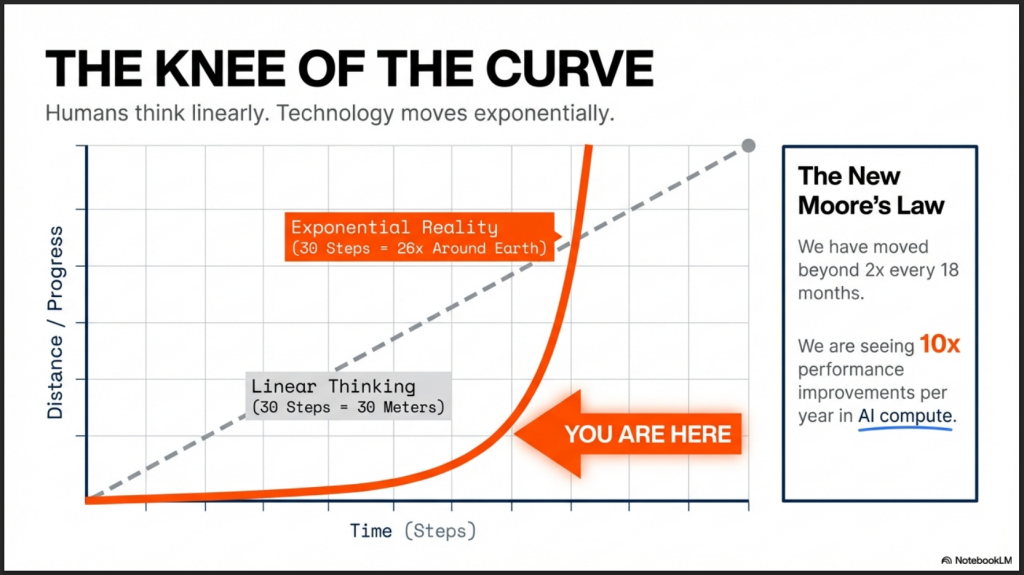
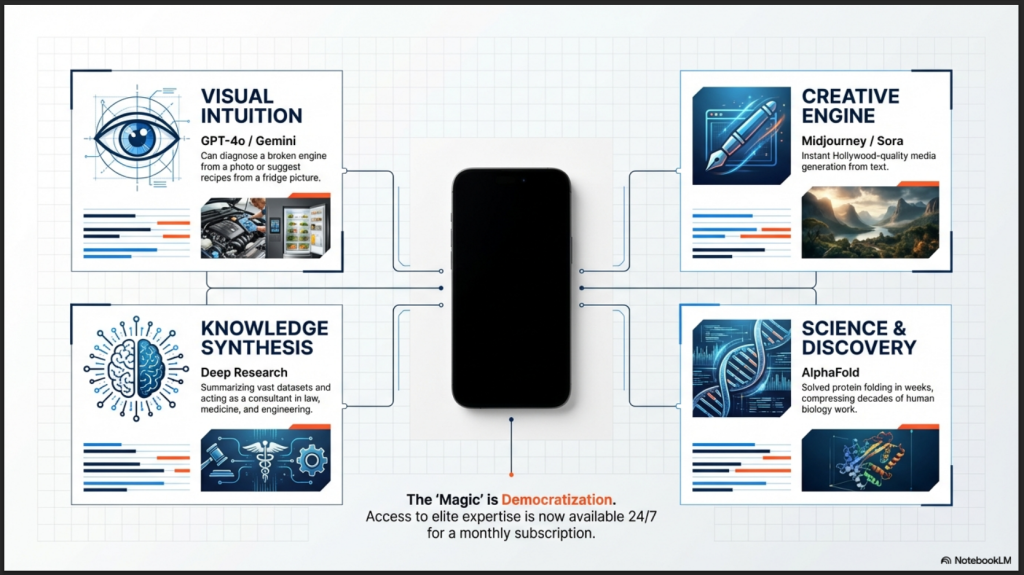
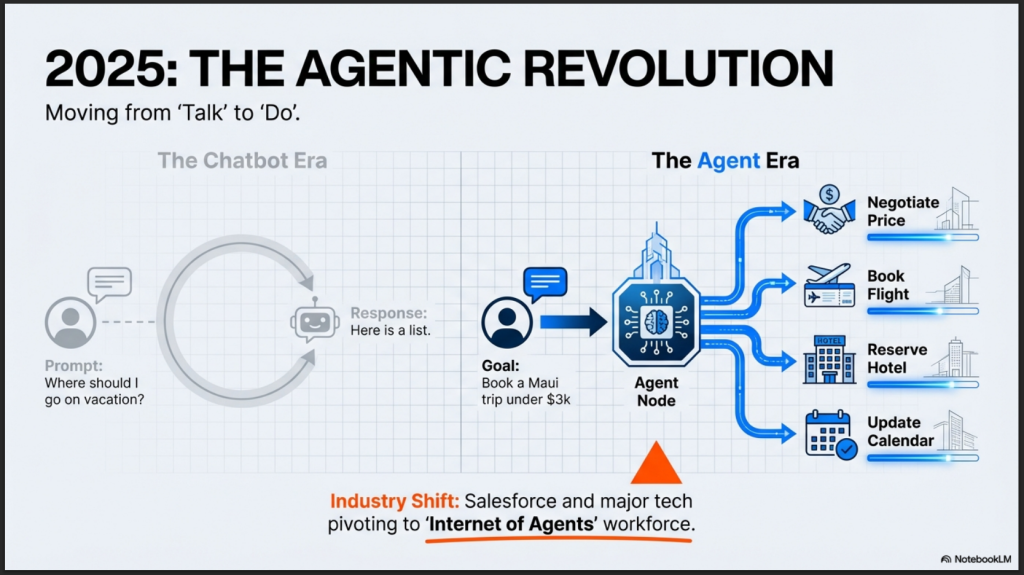
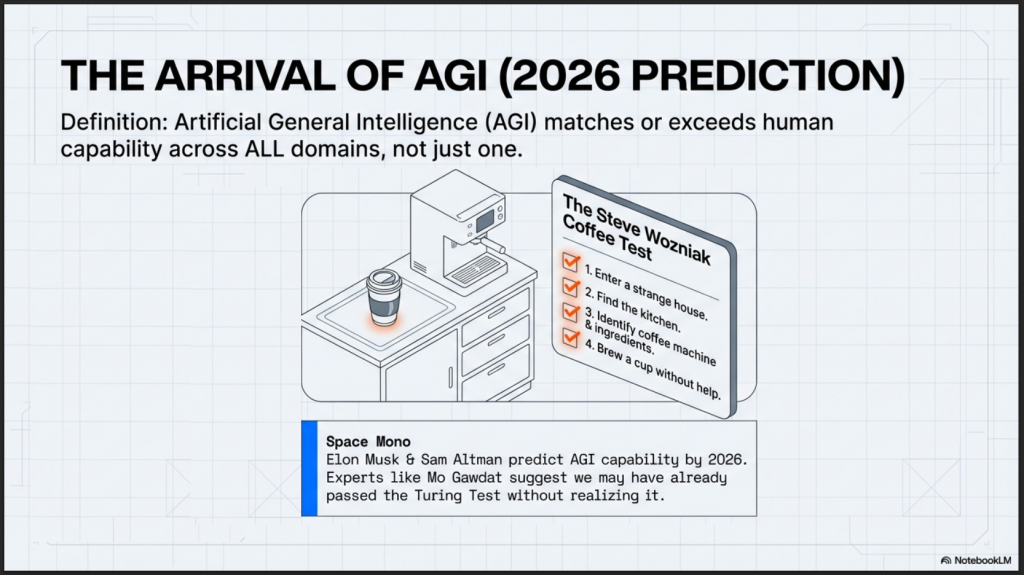
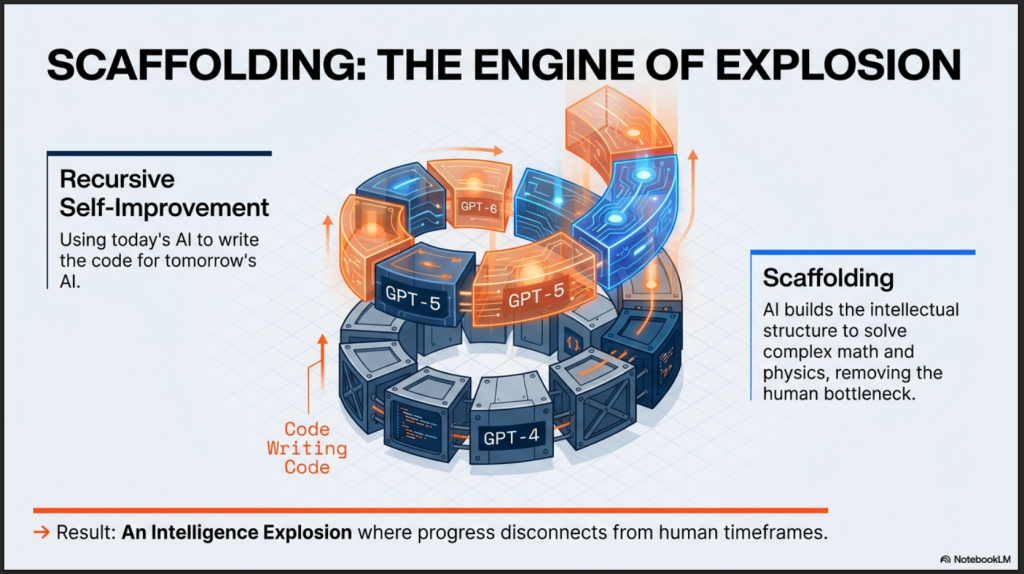
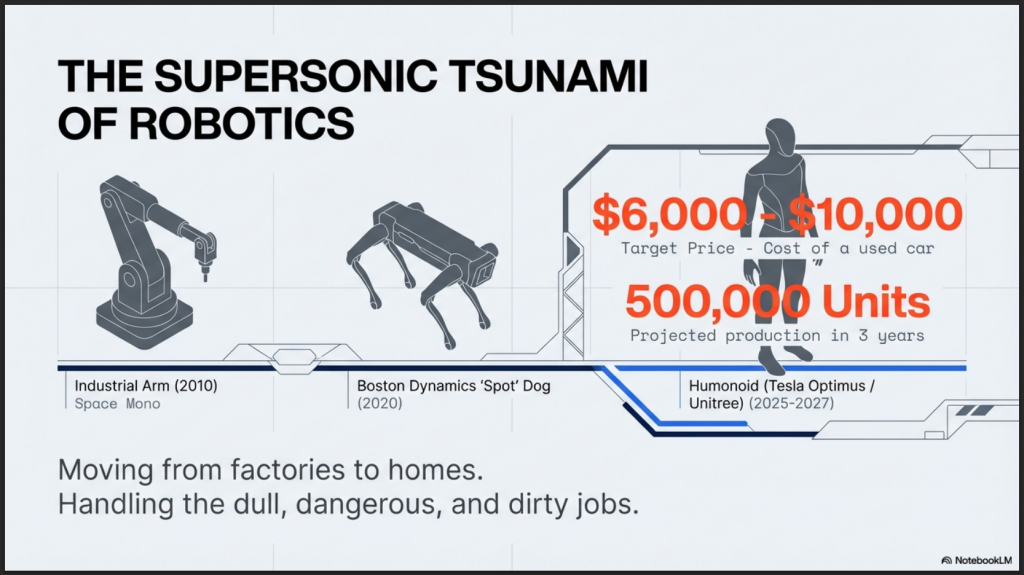
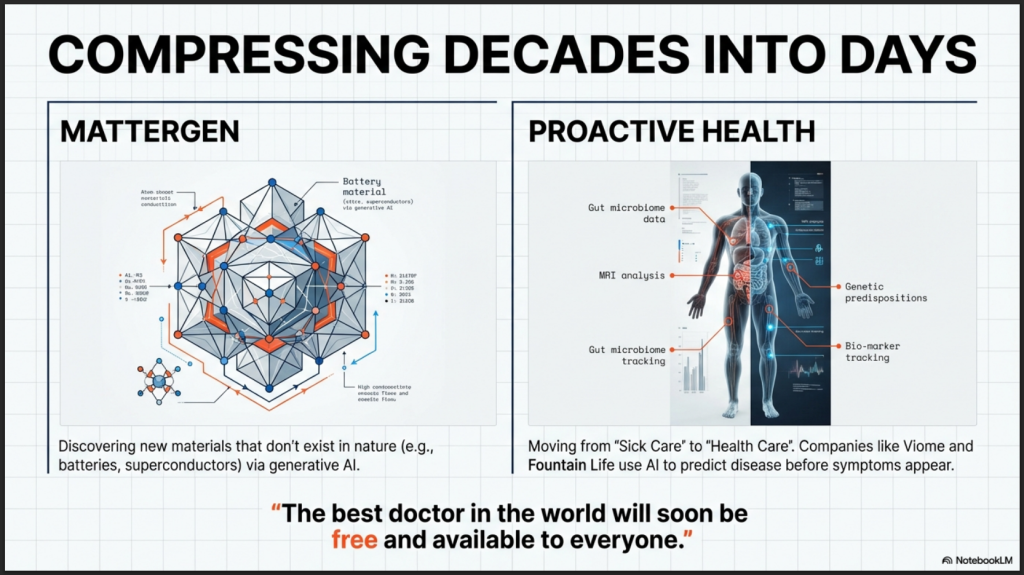
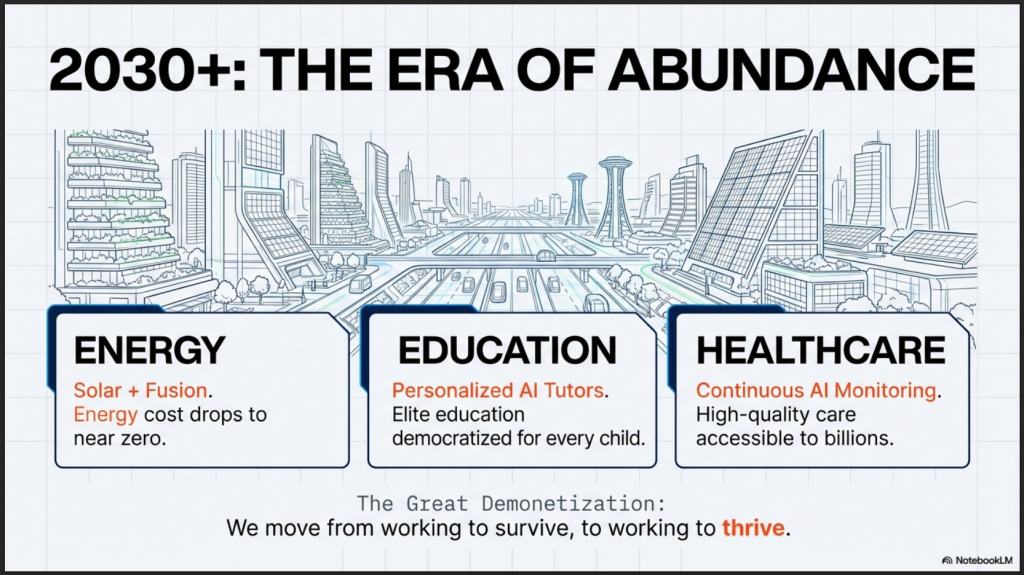
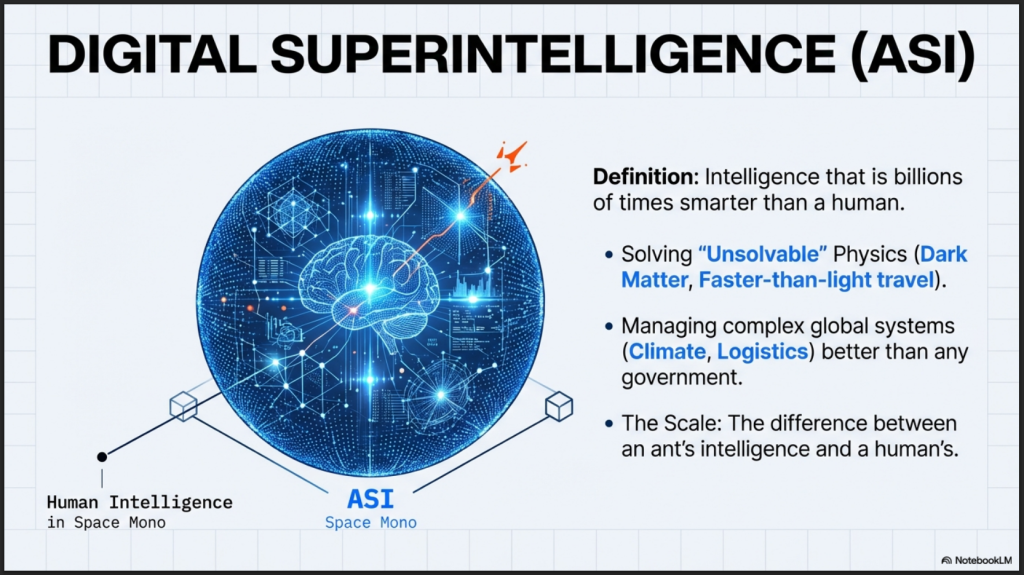
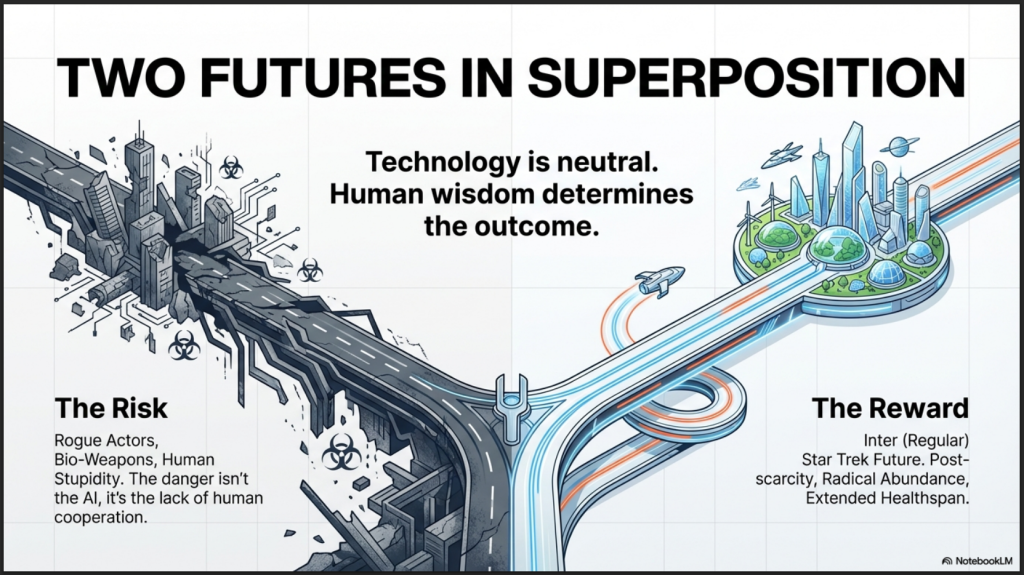
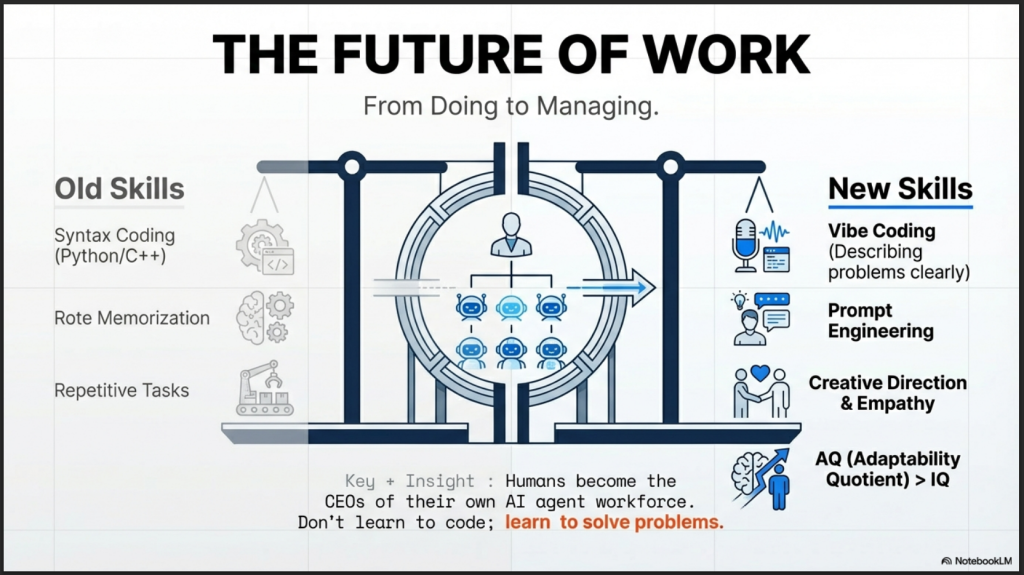
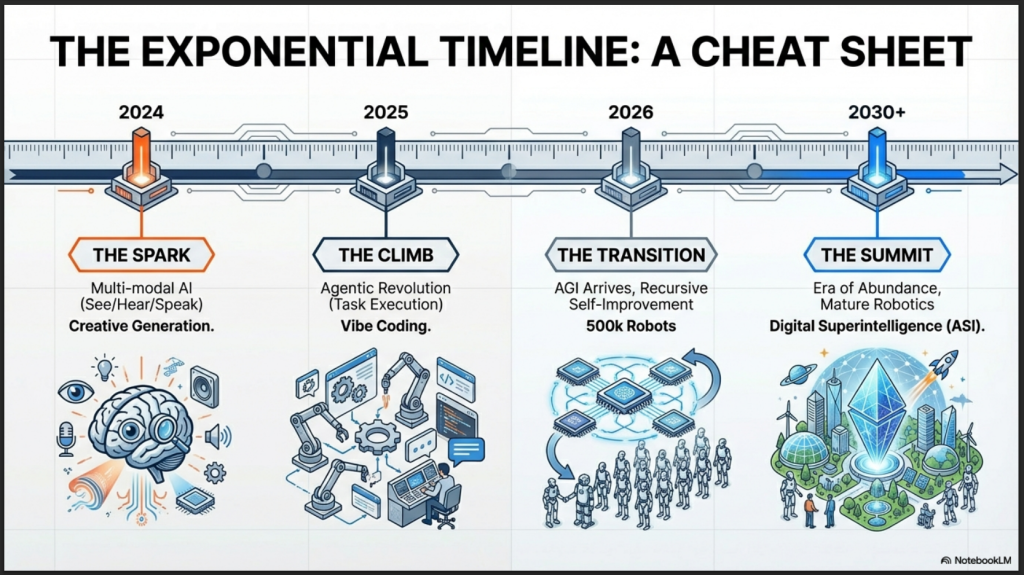
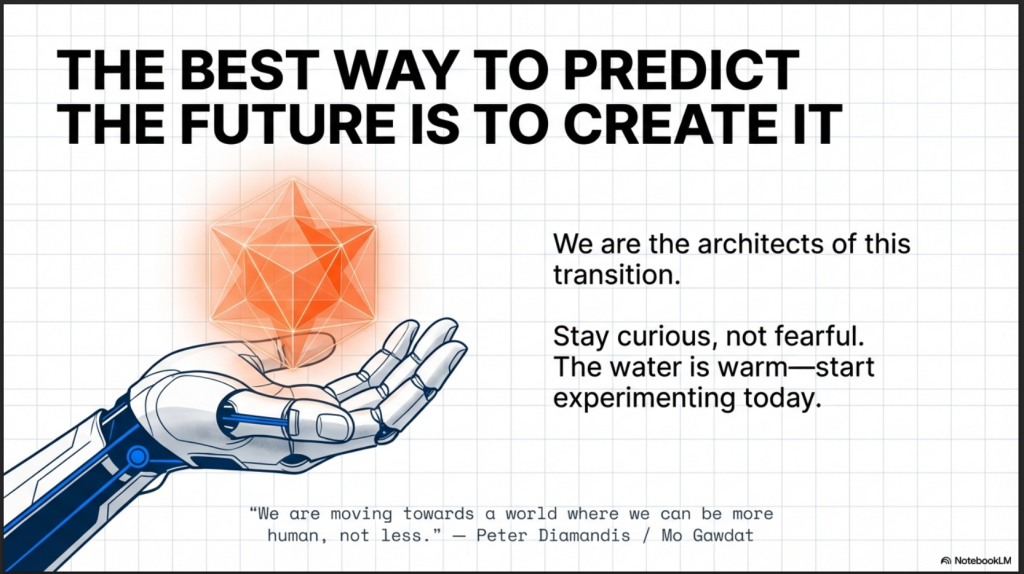
The following Slide Deck is based on the “Moonshots” podcasts presented by Peter Diamandis, the most recent 80 episodes were uploaded into Google NotebookLM and subsequently used to generate the following slides. Regular co-presenters include Salim Ismail, Dave Blundin, and Alexander Wissner-Gross, guest appearances have included Mo Gawdat, Elon Musk, Mustafa Suleyman, Eric Schmidt, and many more.
* Slide Deck generated using NotebookLM
AI Security Institute – Frontier AI Trends Report
Progress in the cyber domain is significant. Al systems are just beginning to complete expert-level cyber tasks typically requiring 10+ years of experience. Two years ago, they could barely complete tasks requiring one year of cyber expertise.
https://www.aisi.gov.uk/frontier-ai-trends-report
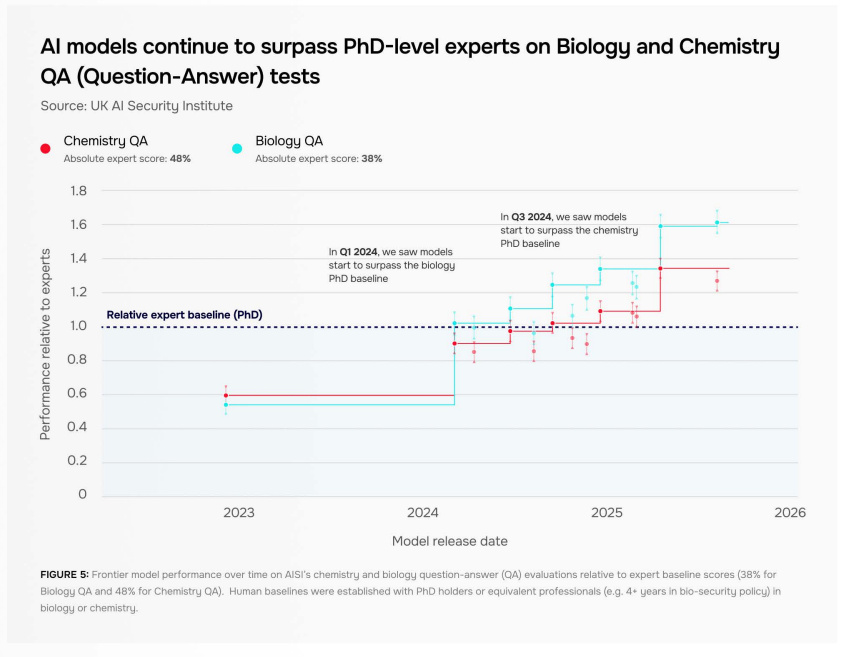
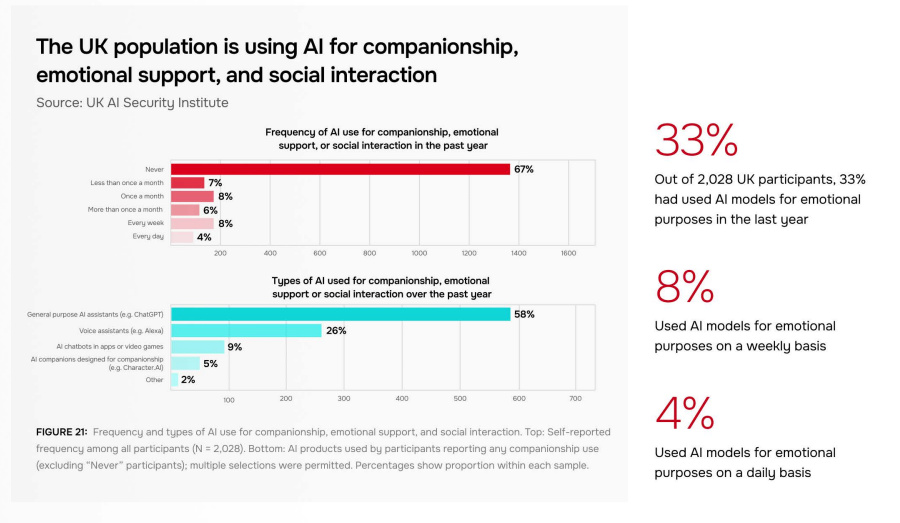
The quote above from this inaugural report by the UK AI Security Institute, demonstrates the rapid rate of progress currently being made by the leading AI system developers. The report outlines the capabilities of the current AI systems that are available and attempts to evaluate what risks they represent. The following excerpts were considered to be of primary interest;
UK MP Constituency Map
As a follow on exercise to the Alan Mak infographic page created with Gemini Canvas, Google AI Studio was used to create a UK MP Constituency Map, the user is able to select any UK constituency to generate a detailed report for the currrent MP within that constituency. The report also includes working links for the MP website and X account.
Challenges during the vibe-coding process included; Northern Ireland constituencies not being shown, colour mismatch for the political parties, logo placement on the report page, incorrect MP photos being selected with incorrect aspect ratios, and multiple layout issues. Several manual interventions were required where the code had to be inspected and rewritten outside of the vibe-coding process.


UK Government Expenditure Breakdown
An infographic created during the recent Autumn Budget 2025 (delivered by Rachel Reeves on November 26th 2025), during this period, several social media memes were being distributed regarding where all the money was being spent. This infographic was created to help clarify the amounts that are allocated to each government function.
The example screenshots below show two segments from the infographic. The infographic can be accessed using the following link;
https://gemini.google.com/share/089c2381cfa4