Tag: general-truth
The Evolution of Truth: Intersections of Spirituality, Religion, and Philosophy Through the Ages
Introduction: The Epistemological Architecture of Truth
The concept of “truth” constitutes the central intellectual and spiritual pillar around which human religious, theological, and philosophical systems have been constructed. Across epochs, the definition of truth has undergone profound epistemological and ontological metamorphoses. It has shifted from a cosmic, divinely ordained absolute governing the physical universe, to a highly individualized, subjective experience mediating personal psychological well-being. To trace this evolution is to map the history of human consciousness and its continuous attempt to situate itself within the architecture of reality.
In rigorous philosophical terms, truth is traditionally delineated across several distinct categories to avoid conceptual conflation. Absolute truths denote statements or beliefs that hold true for all people, at all times, and in all situations, functioning entirely independent of human consciousness or subjective perception.1 Such truths, including the fundamental laws of logic or mathematics, are traditionally conceptualized as realities to be discovered rather than human inventions.1 Objective truth, while frequently used interchangeably with absolute truth, contains nuanced differences; it allows for contextual application, particularly within moral frameworks, while still relying on a standard external to the subject.1 For example, the objective moral truth regarding the sanctity of life might require the violation of a lesser standard, such as truth-telling, in extreme circumstances.1
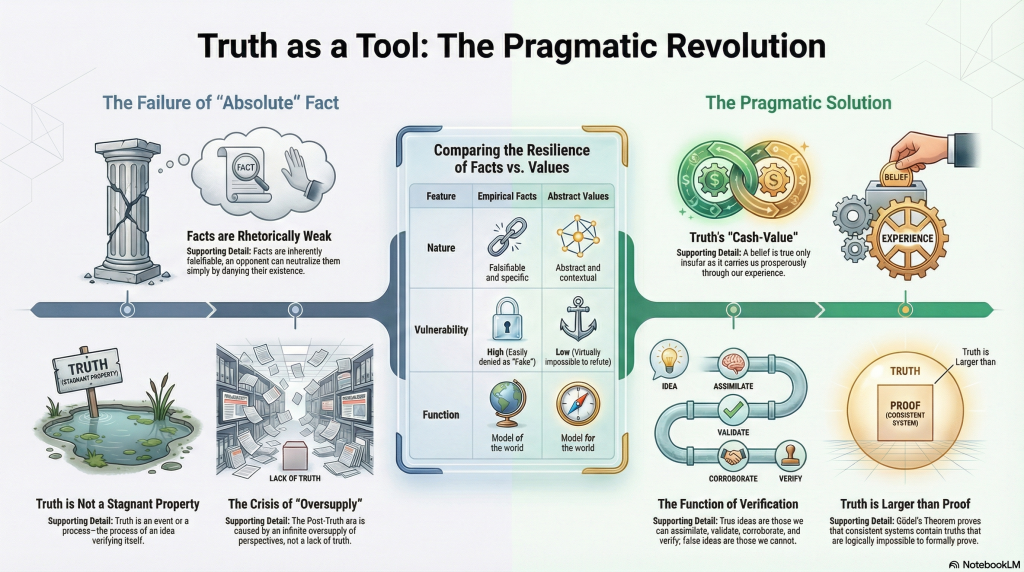
Conversely, relative truth posits that truth is fundamentally a socially, culturally, or individually agreed-upon construct, inextricably linked to localized perspectives and historical contexts.1 Subjectivism narrows this further, defining truth based entirely on personal preferences, emotional states, and individual opinions.1 Within the broader scope of Western epistemology, several distinct theories of truth have vied for dominance. The correspondence theory of truth asserts that a statement is true if it accurately corresponds to objective facts in the world.2 The coherence theory suggests that truth consists in logical consistency and mutual support among a web of beliefs.4 Pragmatists understand truth in terms of practical consequences and epistemic efficacy—truth is what works in the crucible of unlimited inquiry.4 Meanwhile, semantic theories analyze truth conditions from the perspective of metalanguages, and deflationary theories argue that truth lacks any significant intrinsic or ontological nature, asserting that the linguistic role of truth-related expressions exhausts the concept entirely.4 Dogmatism, standing in stark contrast to skepticism, maintains that some ultimate truths are certain, assured discoveries that can be definitively defined and perceived.5
However, when transposed into the domains of religion and spirituality, truth immediately ceases to be a mere epistemological puzzle or linguistic property. It elevates into an ontological necessity, a pathway to ultimate spiritual liberation, and an uncompromising moral imperative. This comprehensive report exhaustively examines the historical metamorphosis of truth as a spiritual and religious concept, tracing its journey from the cosmic harmonies of ancient Vedic and Greek thought, to the doctrinal syntheses of the Middle Ages, through the Enlightenment’s profound schisms, and finally into the existential and deeply privatized paradigms of the contemporary sociological landscape.
Continue reading “The Evolution of Truth: Intersections of Spirituality, Religion, and Philosophy Through the Ages”
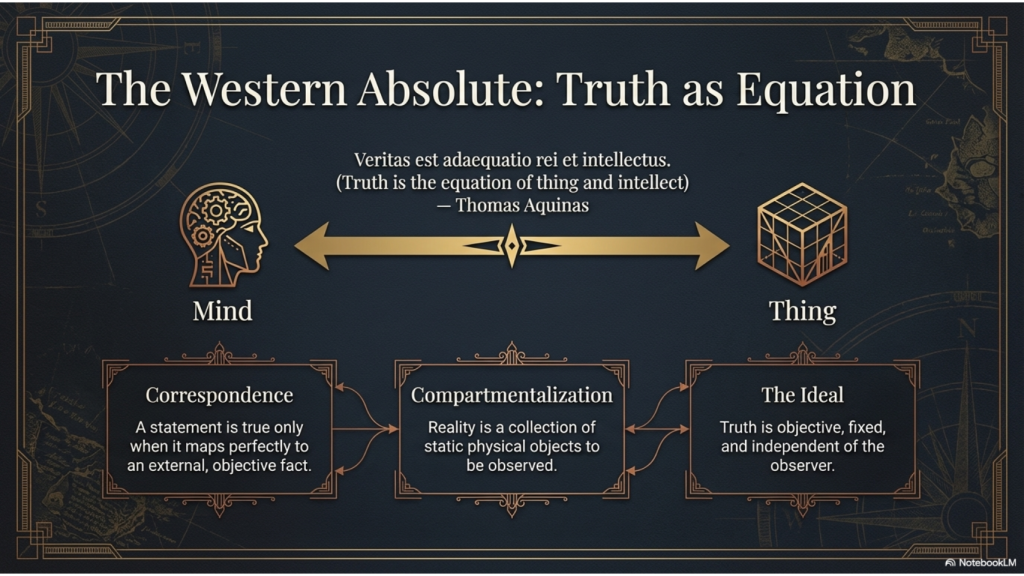
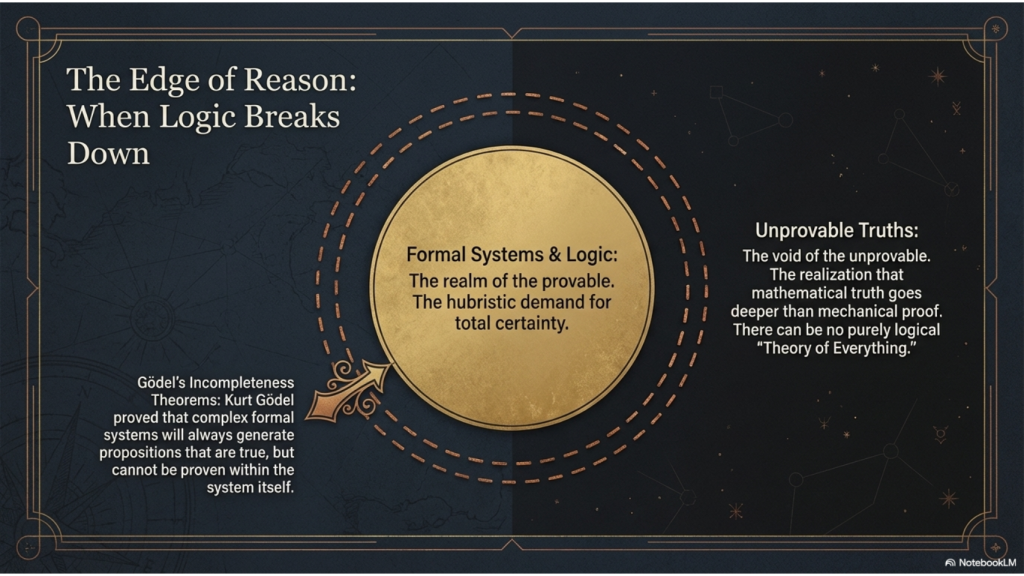
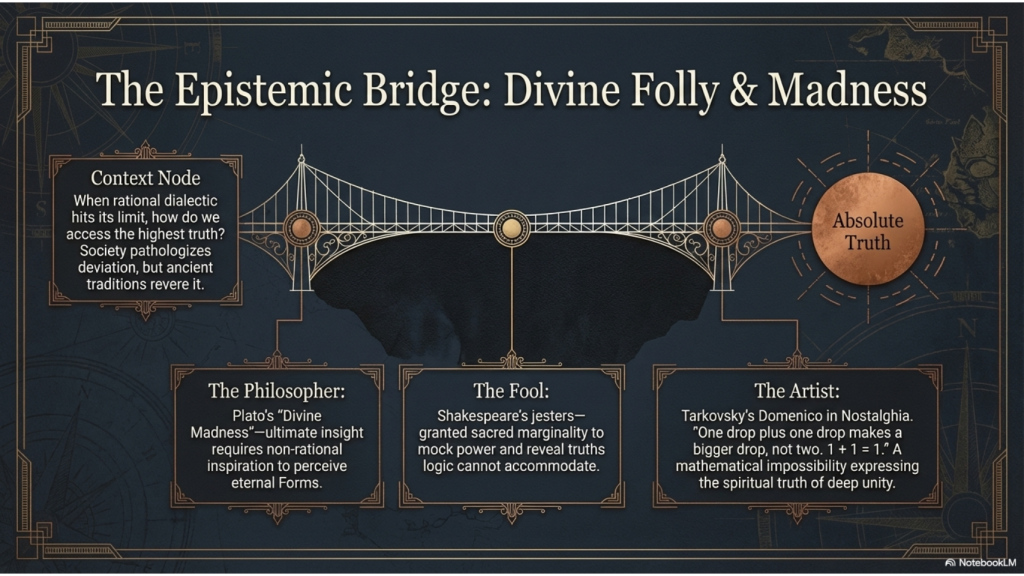
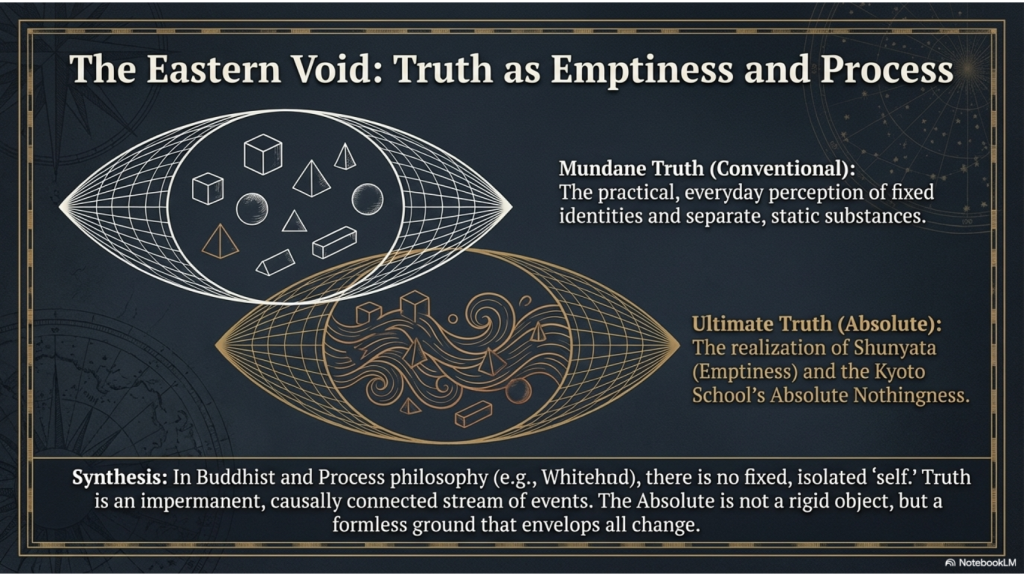
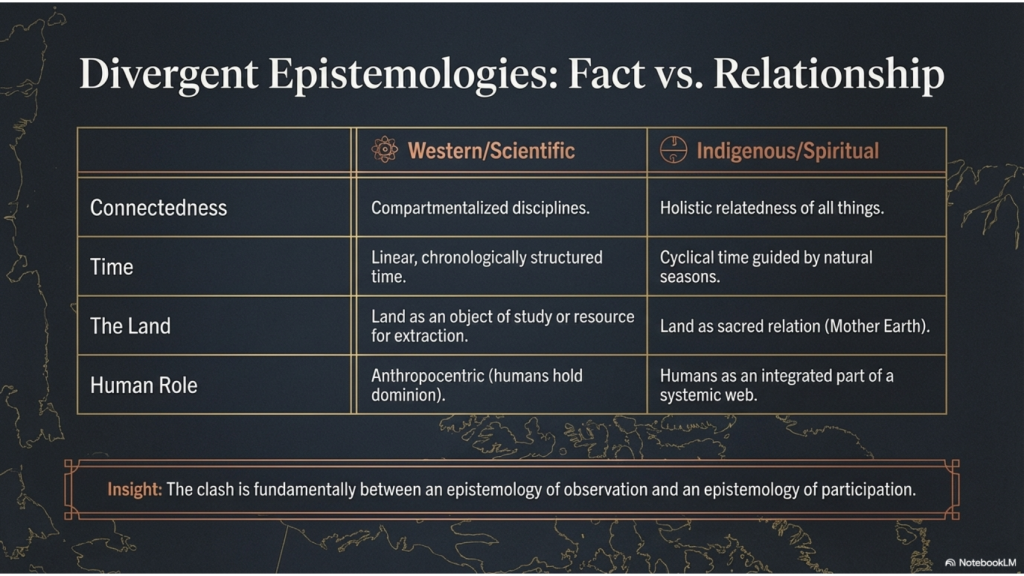
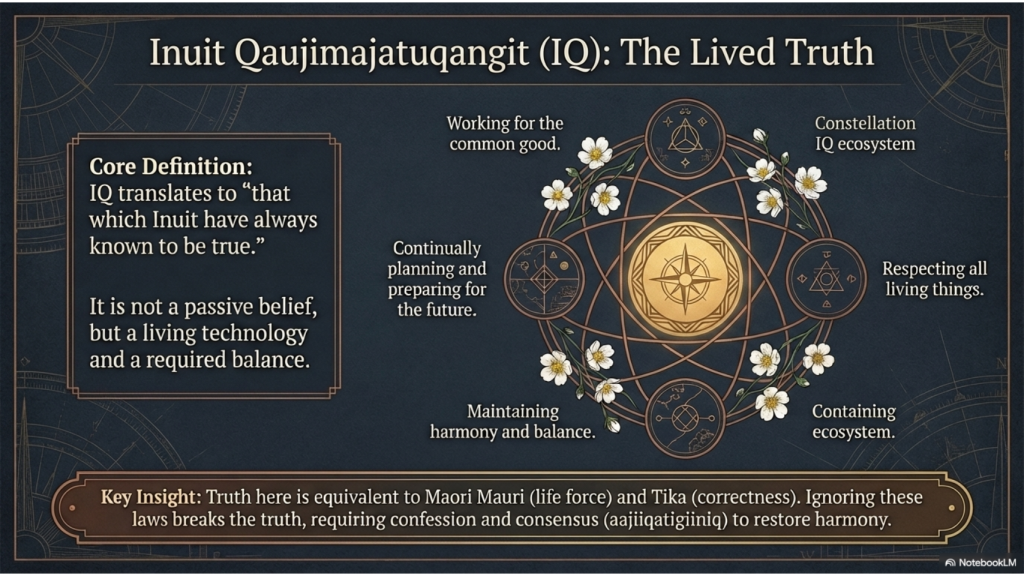
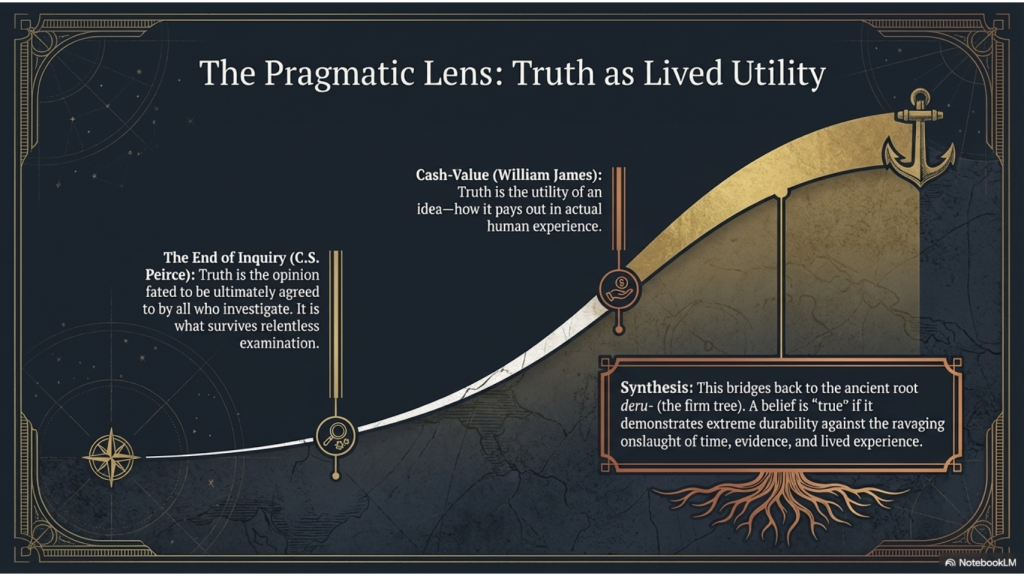
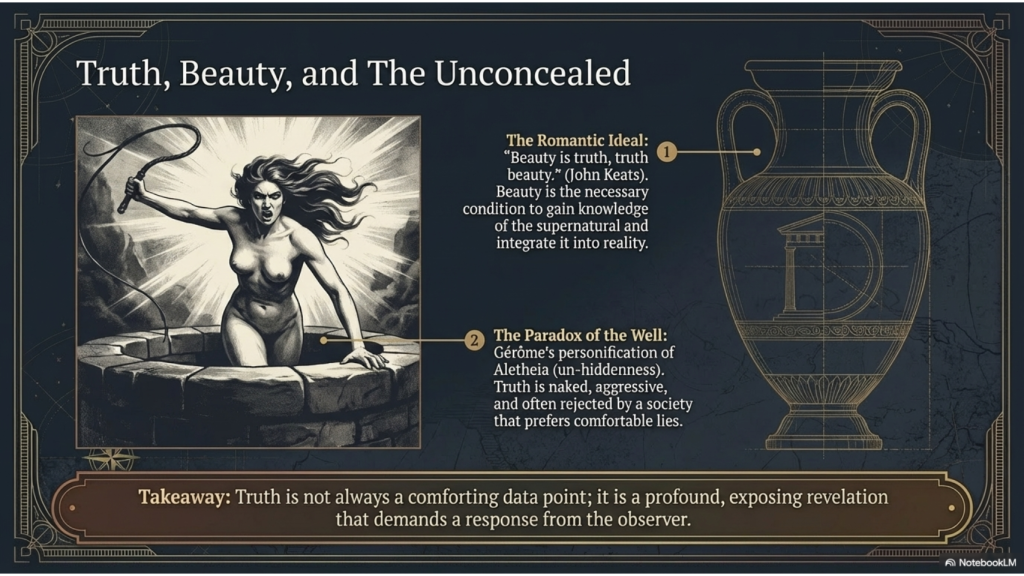
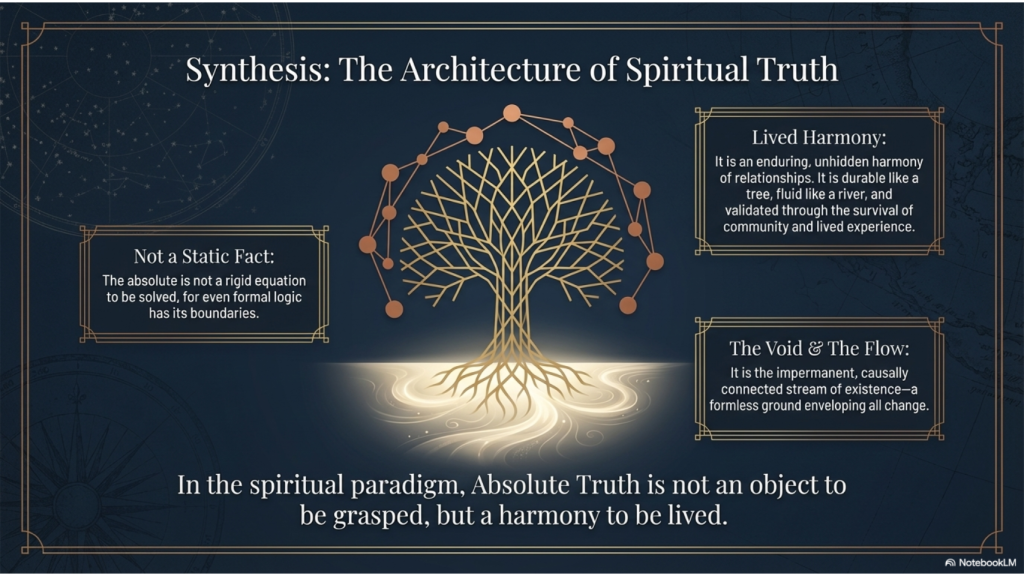
The Architecture of Truth: An Ontological, Epistemological, and Cultural Investigation into the Nature of Reality
The concept of truth represents the foundational scaffolding upon which human knowledge, social cohesion, and individual identity are constructed. It serves as both the target of rigorous inquiry and the implicit ground upon which all communication rests. While contemporary discourse often fractures truth into binary categories of “subjective” and “absolute,” a comprehensive investigation reveals a term of profound complexity, rooted in ancient metaphors of organic durability and evolving through millennia of philosophical, scientific, and aesthetic refinement. This report provides an exhaustive analysis of truth, tracing its etymological lineage, its formal definitions across competing philosophical schools, the methodologies used to measure it in empirical and legal contexts, and its varied manifestations across global cultures and artistic media.
The Etymological Genesis: Truth as Durability and Disclosure
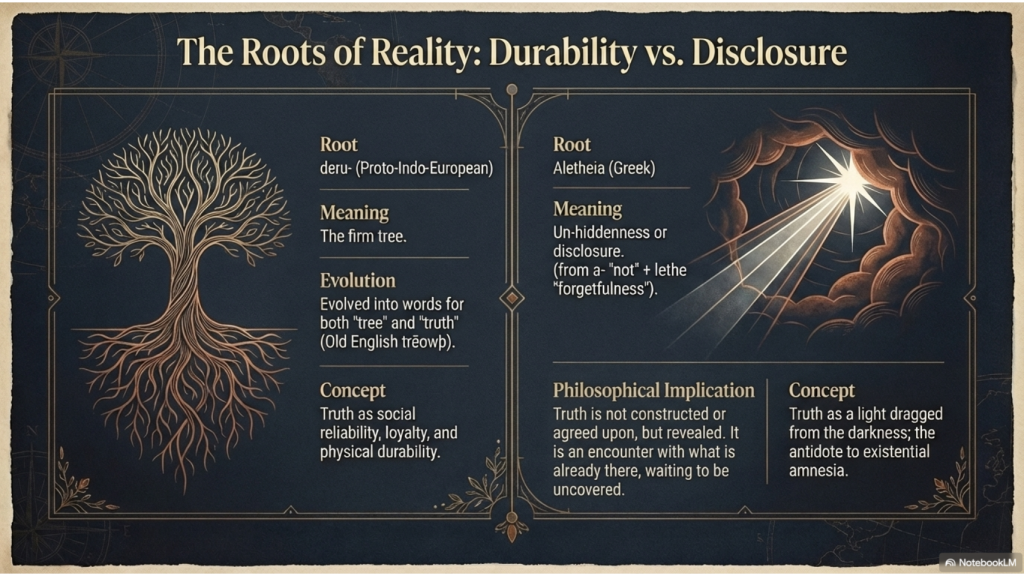
The linguistic history of “truth” indicates that the concept was originally grounded in the physical world and the social bonds of fidelity, rather than in the abstract accuracy of propositions. To understand the modern term, one must navigate the divergence between Germanic and Hellenic roots, which emphasize different dimensions of reality: firmness and unhiddenness.
Continue reading “The Architecture of Truth: An Ontological, Epistemological, and Cultural Investigation into the Nature of Reality”