Tag: general
The Enochian Nexus: A Socio-Intellectual History of the Dee-Kelley Partnership

Socio-Educational Backgrounds and the Crucible of Early Modern Science
The intellectual landscape of late sixteenth-century England was a highly fluid environment in which scholasticism, humanism, mathematical practitioner culture, and Hermetic-Cabalist philosophy intertwined.[1, 2, 3] John Dee was born on July 13, 1527, in London, entering a world defined by the political and religious transformations of the Tudor court.[2, 3] An exceptionally gifted student, Dee attended school in Chelmsford and London before matriculating at St. John’s College, Cambridge, in 1542 at the age of sixteen.[4] He received his Bachelor of Arts in 1548 and was appointed a founding fellow of Trinity College.[4]
It was during this early academic tenure that the public association between Dee’s mechanical brilliance and sorcery was first forged.[3, 5] For a theatrical production of Aristophanes’ Peace, Dee constructed a realistic, flying mechanical beetle that appeared to ascend to the ceiling of the hall with a man on its back.[4, 5, 6] This mechanical prop astounded and terrified the audience, sparking rumors of demonic conjuration that would shadow him for the rest of his life.[3, 4, 5]
Seeking advanced mathematical training unavailable in England, Dee traveled to the Continent in 1548, studying at the University of Leuven.[3, 4] In Leuven, he established lifelong personal and intellectual relationships with the premier cartographers and mathematicians of the age, including Gerardus Mercator, Abraham Ortelius, and Gemma Frisius.[3] He lectured in Paris on Euclidean geometry to packed audiences, demonstrating a brilliant grasp of both theoretical and applied mathematics.[3]
Upon his return to England, Dee leveraged his continental prestige to enter royal circles.[2, 4] Prior to the accession of Elizabeth I, Dee cast her personal horoscope and predicted she would ascend to the throne.[5] This mathematical “calculation” was viewed with intense suspicion by the Catholic regime of Queen Mary I, who had Dee arrested and charged with practicing sorcery against the Crown.[2, 5] Though acquitted, this trial established a permanent link between his mathematical practices and illegal divination.[2, 5]
Continue reading “The Enochian Nexus: A Socio-Intellectual History of the Dee-Kelley Partnership”The 2026/2027 Super El Niño: A Strategic Review of UK Weather, Food Security, and Economic Impacts

1. Understanding the Phenomenon: The Mechanics of the 2026 Super El Niño
The El Niño Southern Oscillation (ENSO) is the primary driver of global climate variability, and for the United Kingdom’s interconnected economy, its current trajectory represents a critical strategic risk. While ENSO is a Pacific-based cycle, it acts as a “global circulation reset,” triggering a reorganization of atmospheric patterns that reset weather conditions thousands of miles away. Understanding these mechanics is essential for navigating the systemic shocks now entering the North Atlantic corridor.
The 2026 event is characterized by a breakdown in the Walker Cell circulation. Typically, trade winds push warm surface water toward Asia, but a significant weakening—and in some regions, a reversal—of these winds has allowed a massive subsurface reservoir of heat to migrate eastward. This “Kelvin Wave,” driven by westerly wind bursts, is now surfacing in the eastern Pacific. As this energy is released into the atmosphere, it acts as a “pressure release valve” for years of accumulated oceanic heat, creating an “atmospheric bridge” that alters the global jet stream.
Current projections suggest the 2026 event will reach unprecedented severity, likely becoming the strongest El Niño in recorded history.
Continue reading “The 2026/2027 Super El Niño: A Strategic Review of UK Weather, Food Security, and Economic Impacts”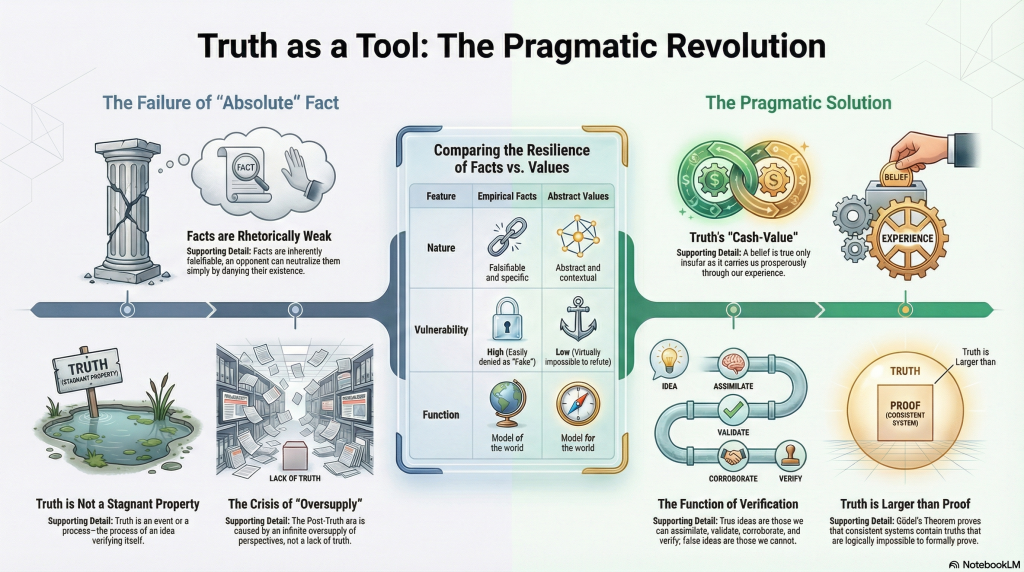
The Evolution of Truth: Intersections of Spirituality, Religion, and Philosophy Through the Ages
Introduction: The Epistemological Architecture of Truth
The concept of “truth” constitutes the central intellectual and spiritual pillar around which human religious, theological, and philosophical systems have been constructed. Across epochs, the definition of truth has undergone profound epistemological and ontological metamorphoses. It has shifted from a cosmic, divinely ordained absolute governing the physical universe, to a highly individualized, subjective experience mediating personal psychological well-being. To trace this evolution is to map the history of human consciousness and its continuous attempt to situate itself within the architecture of reality.
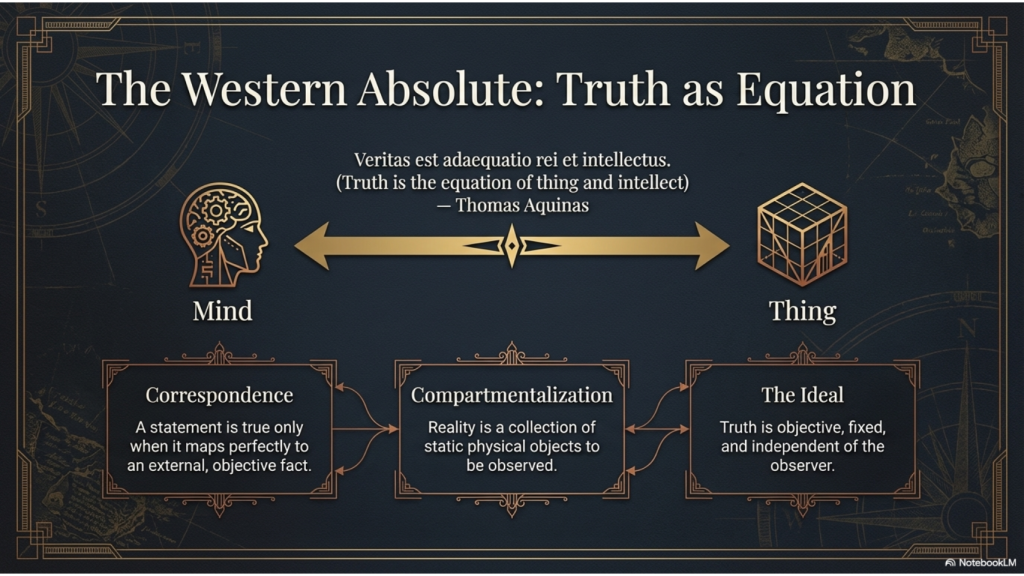
In rigorous philosophical terms, truth is traditionally delineated across several distinct categories to avoid conceptual conflation. Absolute truths denote statements or beliefs that hold true for all people, at all times, and in all situations, functioning entirely independent of human consciousness or subjective perception.1 Such truths, including the fundamental laws of logic or mathematics, are traditionally conceptualized as realities to be discovered rather than human inventions.1 Objective truth, while frequently used interchangeably with absolute truth, contains nuanced differences; it allows for contextual application, particularly within moral frameworks, while still relying on a standard external to the subject.1 For example, the objective moral truth regarding the sanctity of life might require the violation of a lesser standard, such as truth-telling, in extreme circumstances.1
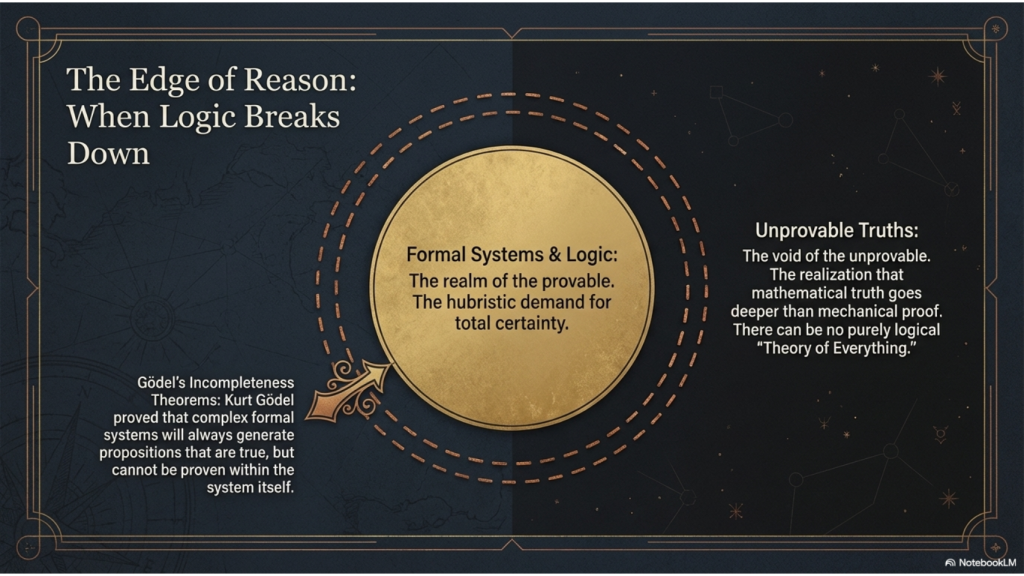
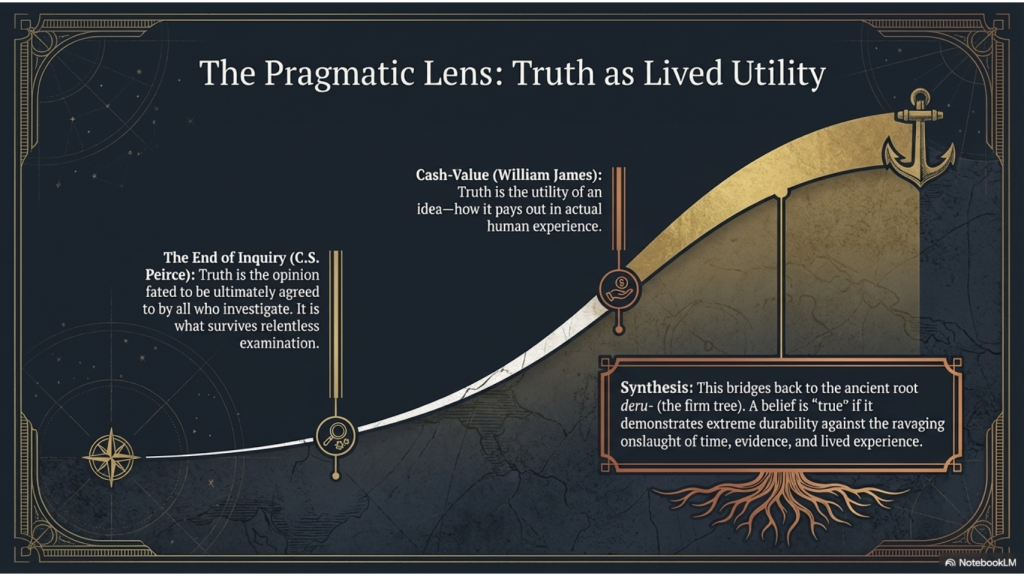
Conversely, relative truth posits that truth is fundamentally a socially, culturally, or individually agreed-upon construct, inextricably linked to localized perspectives and historical contexts.1 Subjectivism narrows this further, defining truth based entirely on personal preferences, emotional states, and individual opinions.1 Within the broader scope of Western epistemology, several distinct theories of truth have vied for dominance. The correspondence theory of truth asserts that a statement is true if it accurately corresponds to objective facts in the world.2 The coherence theory suggests that truth consists in logical consistency and mutual support among a web of beliefs.4 Pragmatists understand truth in terms of practical consequences and epistemic efficacy—truth is what works in the crucible of unlimited inquiry.4 Meanwhile, semantic theories analyze truth conditions from the perspective of metalanguages, and deflationary theories argue that truth lacks any significant intrinsic or ontological nature, asserting that the linguistic role of truth-related expressions exhausts the concept entirely.4 Dogmatism, standing in stark contrast to skepticism, maintains that some ultimate truths are certain, assured discoveries that can be definitively defined and perceived.5
However, when transposed into the domains of religion and spirituality, truth immediately ceases to be a mere epistemological puzzle or linguistic property. It elevates into an ontological necessity, a pathway to ultimate spiritual liberation, and an uncompromising moral imperative. This comprehensive report exhaustively examines the historical metamorphosis of truth as a spiritual and religious concept, tracing its journey from the cosmic harmonies of ancient Vedic and Greek thought, to the doctrinal syntheses of the Middle Ages, through the Enlightenment’s profound schisms, and finally into the existential and deeply privatized paradigms of the contemporary sociological landscape.
Continue reading “The Evolution of Truth: Intersections of Spirituality, Religion, and Philosophy Through the Ages”

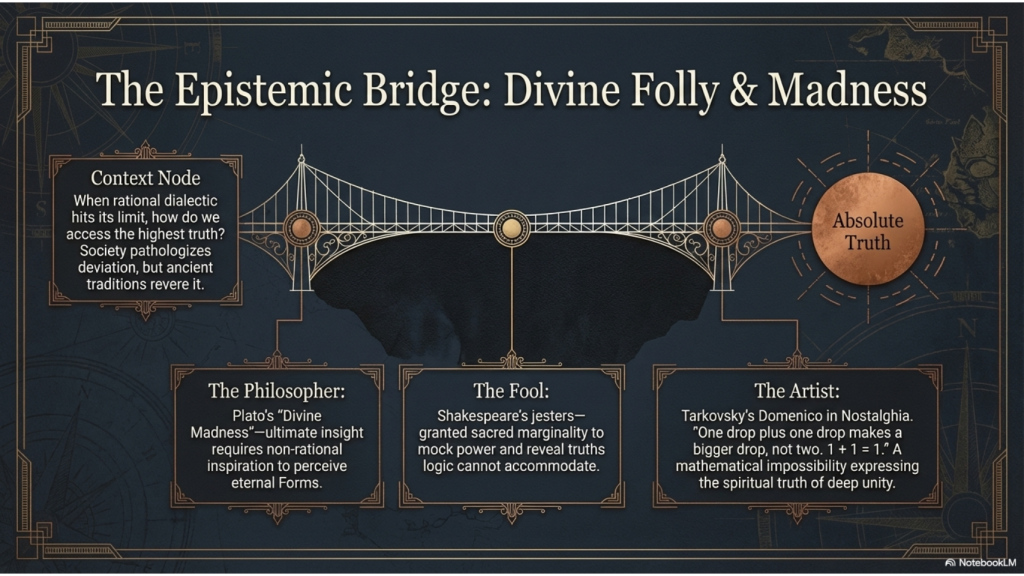
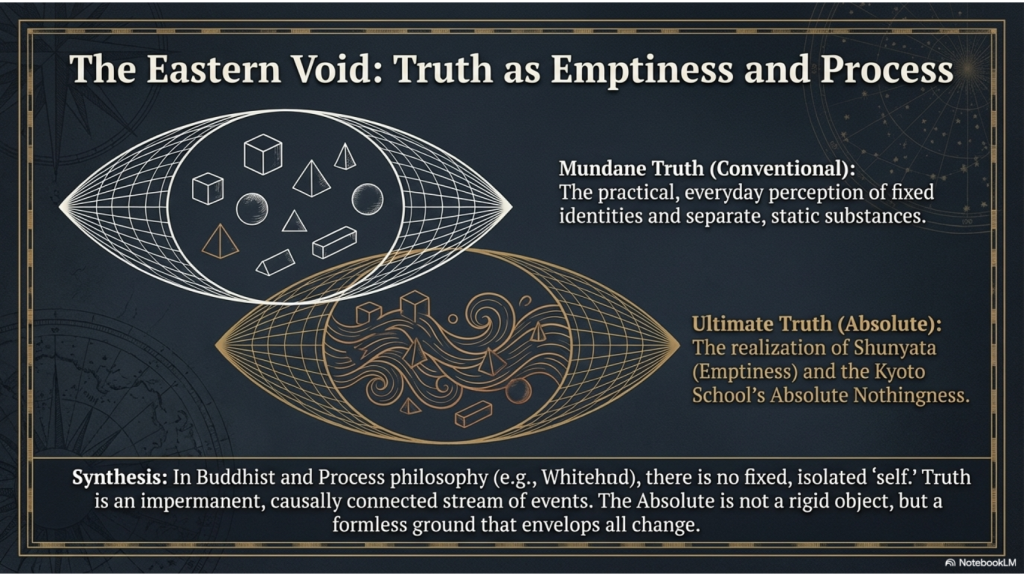
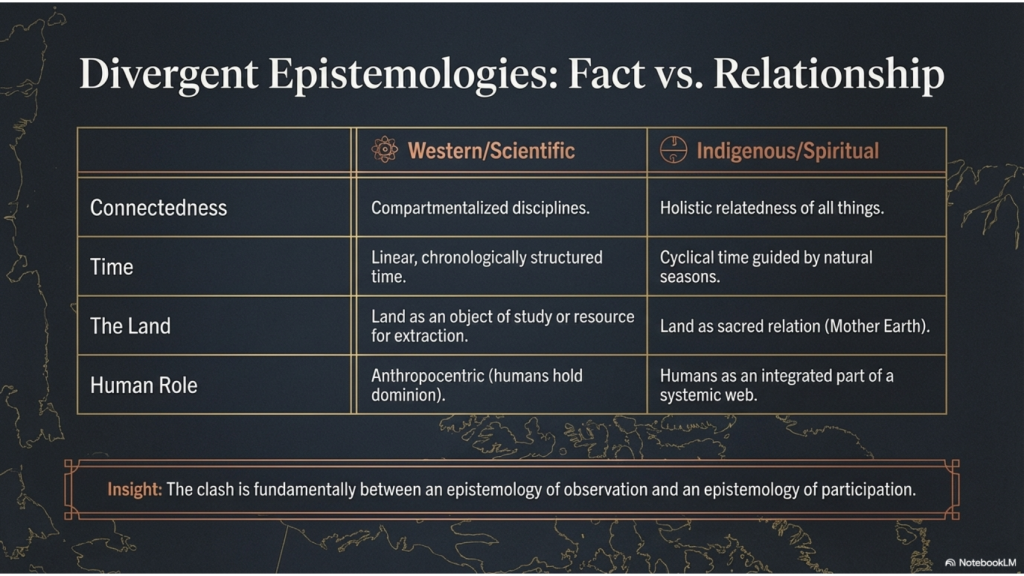
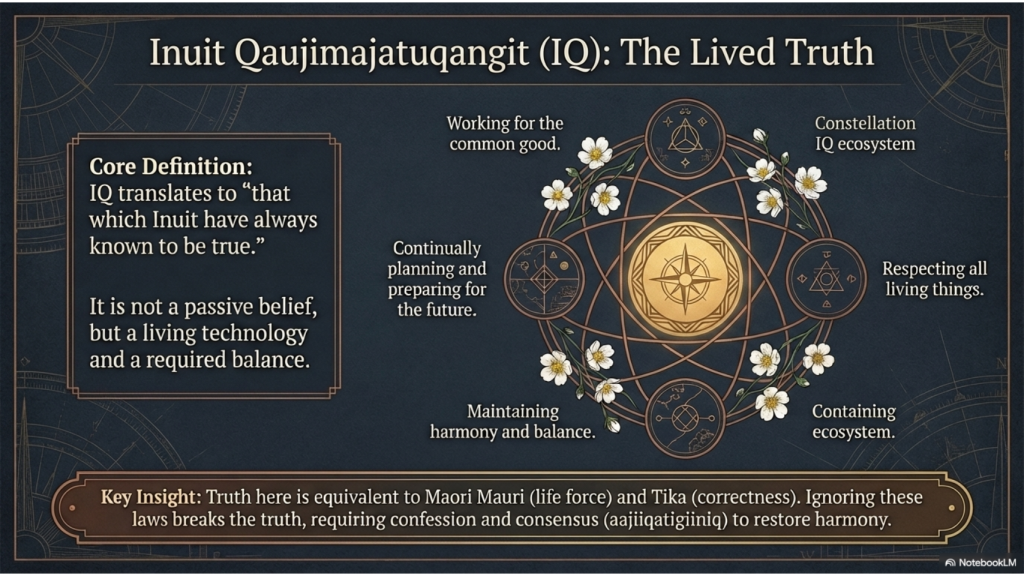

The Architecture of Truth: An Ontological, Epistemological, and Cultural Investigation into the Nature of Reality
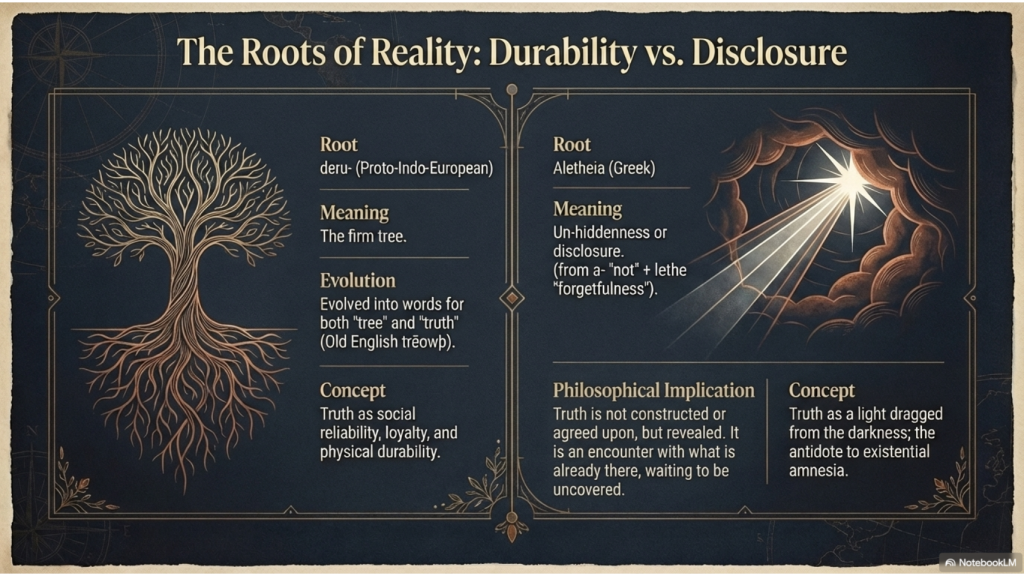
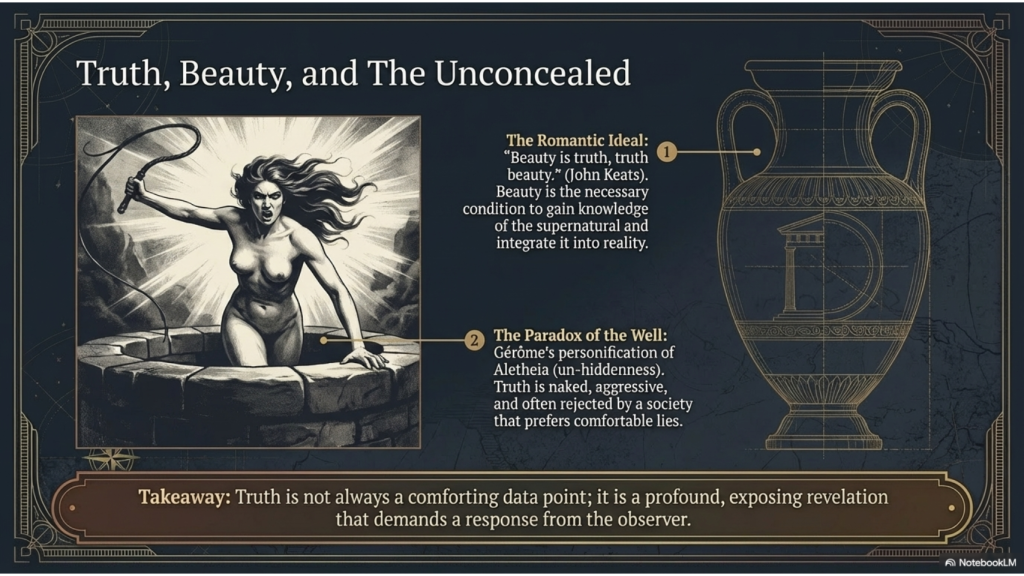
The concept of truth represents the foundational scaffolding upon which human knowledge, social cohesion, and individual identity are constructed. It serves as both the target of rigorous inquiry and the implicit ground upon which all communication rests. While contemporary discourse often fractures truth into binary categories of “subjective” and “absolute,” a comprehensive investigation reveals a term of profound complexity, rooted in ancient metaphors of organic durability and evolving through millennia of philosophical, scientific, and aesthetic refinement. This report provides an exhaustive analysis of truth, tracing its etymological lineage, its formal definitions across competing philosophical schools, the methodologies used to measure it in empirical and legal contexts, and its varied manifestations across global cultures and artistic media.
The Etymological Genesis: Truth as Durability and Disclosure
The linguistic history of “truth” indicates that the concept was originally grounded in the physical world and the social bonds of fidelity, rather than in the abstract accuracy of propositions. To understand the modern term, one must navigate the divergence between Germanic and Hellenic roots, which emphasize different dimensions of reality: firmness and unhiddenness.
Continue reading “The Architecture of Truth: An Ontological, Epistemological, and Cultural Investigation into the Nature of Reality”Intelligence Assessment: The Strategic Profile, Networks, and Ideological Framework of Jiang Xueqin

Executive Summary
This comprehensive intelligence report presents an exhaustive evaluation of the operational profile, ideological framework, and collaborator network of Jiang Xueqin. Operating primarily under the moniker “Professor Jiang,” Jiang is a Chinese-Canadian educator, commentator, and highly influential YouTube personality whose content reaches millions of viewers globally.1 Through a rigorous, multi-disciplinary examination of his biographical timeline, his institutional affiliations within the People’s Republic of China, his ideological outputs, and his media networks, this assessment investigates the prevailing hypothesis that Jiang operates as an asymmetric influence asset aligned with the strategic objectives of the Chinese state apparatus—specifically its intelligence and United Front organs—rather than acting as an independent, Western-aligned intellectual.
The analysis reveals a highly sophisticated and deeply contradictory operational profile. To certain elite Western academic circles, Jiang successfully presents himself as a “civic-liberal” reformer and a “Burkean incrementalist” who harbors nuanced critiques of the Chinese Communist Party (CCP).2 However, his mass-media outputs deliver a concentrated, viral stream of anti-Western civilizational pessimism, predictive collapse narratives, and demonstrably false conspiracy theories tailored to demoralize American and European audiences.1 Furthermore, his rapid historical transition from a deported freelance journalist suspected of espionage in 2002 to a senior administrator at elite, state-linked Chinese educational institutions suggests a high likelihood of co-optation by Chinese state security services.1
By mapping his collaborative network—which heavily features known conduits of Russian state media and Chinese state-affiliated propagandists 6—and by deconstructing his deeply flawed methodological reliance on pseudoscientific “psychohistory,” biological fabrications, and virulent antisemitism 4, this report concludes that Jiang functions as a potent vector for multipolar information warfare. His primary utility lies in leveraging his Western academic credentials to degrade global trust in Western democratic institutions while remaining securely insulated within the protective architecture of the Chinese state.
Continue reading “Intelligence Assessment: The Strategic Profile, Networks, and Ideological Framework of Jiang Xueqin”The Operating System of the State: An Exhaustive Analysis of Palantir Technologies’ Contracts, Procurement Mechanisms, and Political Influence in the United Kingdom (2020–2026)

Executive Summary
By February 2026, Palantir Technologies UK Ltd. has transcended the status of a mere third-party software vendor to become a foundational component of the United Kingdom’s critical national infrastructure. Through a methodical strategy of crisis-driven entry, aggressive lobbying, and the creation of technical dependencies, the Denver-based corporation has secured a dominant position across the Ministry of Defence (MoD), the National Health Service (NHS), the Home Office, and increasingly, local policing. This report provides a comprehensive examination of Palantir’s current contract portfolio, the specific procurement mechanisms utilized to secure these agreements, and the network of political and bureaucratic actors involved in their facilitation.
The analysis reveals that Palantir’s entrenchment in the UK public sector has accelerated dramatically under the premiership of Keir Starmer, culminating in a “Strategic Partnership” announced in September 2025. This partnership, which frames Palantir’s presence as a pillar of national security and economic growth, has been followed by significant direct contract awards, most notably a £240.6 million agreement with the MoD in January 2026. These awards have frequently bypassed standard competitive tendering processes, utilizing “defence and security exemptions” and framework agreements to solidify the company’s hold on government data architecture.
Crucially, this expansion has occurred against a backdrop of intensifying scrutiny regarding the “revolving door” between government officials and the private sector. The dual role of Peter Mandelson—as both a co-owner of the lobbying firm Global Counsel, which counts Palantir as a client, and as the UK Ambassador to Washington—has raised profound questions regarding conflict of interest and the integrity of public procurement. This report details how high-level political access, combined with a “land and expand” technical strategy involving “free trials” and proprietary data ontologies, has effectively locked the UK government into a long-term dependency on Palantir’s operating systems.
The investigation draws upon public contract notices, parliamentary records, legal filings from advocacy groups such as Foxglove and the Good Law Project, and investigative journalism to construct a complete picture of Palantir’s operations in the UK. It concludes that while the company provides undeniable functional utility in data integration—specifically through its “Foundry” and “AIP” platforms—its procurement methods rely heavily on leveraging geopolitical alliances and opacity to circumvent competitive market forces, fundamentally altering the sovereignty of the UK’s digital state.
Continue reading “The Operating System of the State: An Exhaustive Analysis of Palantir Technologies’ Contracts, Procurement Mechanisms, and Political Influence in the United Kingdom (2020–2026)”Strategic Financial Viability Assessment: Hampshire County Council (2026-2031)
Executive Summary
This report presents a comprehensive financial viability assessment of Hampshire County Council (HCC) as of February 2026. It has been commissioned to evaluate the Authority’s funding outlook, quantify potential shortfalls over the medium term (2026-2031), analyze the root causes of the prevailing fiscal distress, and interrogate the contingency measures currently in place. Furthermore, the report provides a forensic analysis of expenditure trends to answer the critical stakeholder question: “Where has the money gone?”
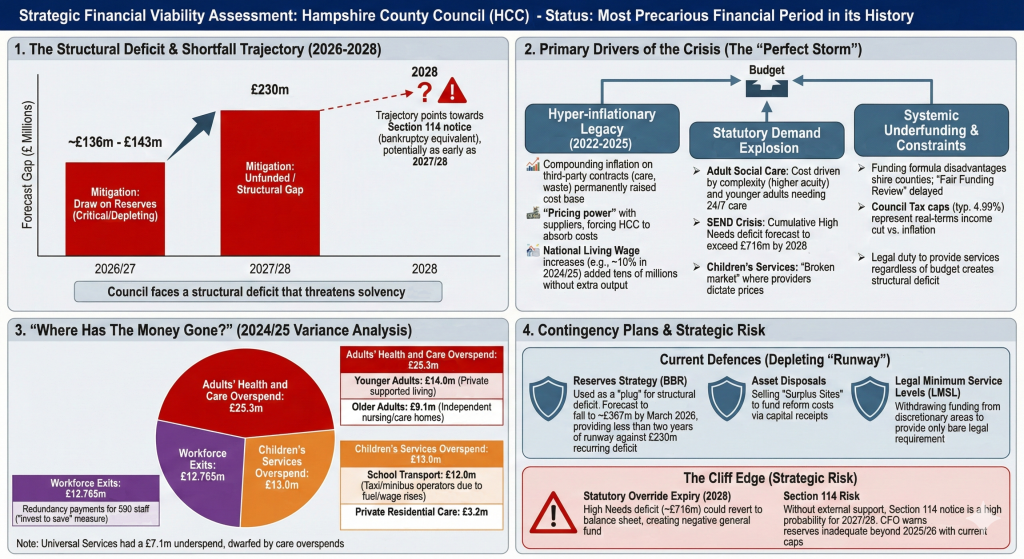
The analysis indicates that Hampshire County Council is currently navigating the most precarious financial period in its history. Despite a longstanding reputation for prudent fiscal management and a reserve position that historically exceeded the national average 1, the Council faces a structural deficit that threatens its solvency within the current Medium Term Financial Strategy (MTFS) period.
As of the 2026/27 budget setting process, the unmitigated budget shortfall stands at approximately £136 million to £143 million.2 This gap is projected to widen to £230 million by 2027/28 2, creating a trajectory that, without external intervention or radical structural change, points towards the issuance of a Section 114 notice—the local government equivalent of bankruptcy—potentially as early as the 2027/28 financial year.2
The drivers of this crisis are multifaceted but can be categorized into three primary vectors:
- Hyper-inflationary Legacy (2022-2025): The compounding effect of inflation on third-party contracts (particularly in care and waste) has permanently raised the cost base beyond the capacity of Council Tax and Business Rates to compensate.5
- Statutory Demand Explosion: There has been an unprecedented surge in demand for high-cost statutory services, specifically Adult Social Care (complex needs in younger adults) and Special Educational Needs and Disabilities (SEND), where the cumulative deficit is forecast to exceed £716 million by 2028.7
- Systemic Underfunding: The delay in the “Fair Funding Review” and the structural disadvantage of the current funding formula for shire counties have left HCC with a core spending power that is insufficient to meet its legal duties.6
Contingency planning is now heavily reliant on “one-off” measures. The Council is balancing its 2026/27 budget primarily through a massive drawdown of its Budget Bridging Reserve (BBR), a strategy acknowledged by the Chief Financial Officer (CFO) as unsustainable.2 Other contingencies include the “Savings Programme 2026” (SP26), aggressive asset disposals under the “Surplus Sites” programme 9, and requests for Exceptional Financial Support (EFS) from central government to bypass Council Tax referendum limits.2
The following report details these findings, providing a rigorous examination of the financial data, strategic risks, and operational realities facing Hampshire County Council.
Continue reading “Strategic Financial Viability Assessment: Hampshire County Council (2026-2031)”The Epstein Files Transparency Act Disclosures: A Forensic Analysis of Strategic Influence, Compromise, and Geopolitical Risk

Executive Summary: The Architecture of Shadow Influence
The enactment of the Epstein Files Transparency Act (EFTA)—officially Public Law 119-38, signed into law on November 19, 2025 1—and the subsequent rolling release of over 3.5 million pages of documents by the Department of Justice between December 2025 and early 2026 has fundamentally restructured the historical understanding of Jeffrey Epstein’s operational network.2 While the initial prosecution of Epstein focused narrowly on sex trafficking crimes in Florida and New York, the EFTA disclosures reveal a far more complex reality: Epstein operated a high-level shadow brokerage of influence, intelligence, and financial leverage that penetrated the uppermost tiers of Western democracy, global finance, and technology.2
The release of these files has not merely been a tabloid event; it has precipitated a systemic crisis of governance across the G7. From the halls of the British Parliament, where the “John Pond” leaks have triggered police inquiries into state secret breaches 5, to the boardrooms of Silicon Valley, where resignation letters drafted by Epstein for Bill Gates’s staff suggest a deep-seated extortion racket 6, the “Epstein Chains”—discrete sequences of email correspondence—expose a pervasive culture of transactional morality among the global elite.
This report provides an exhaustive, forensic analysis of the top 10 most significant email chains identified within the EFTA tranches. These instances were selected not merely for the celebrity of the participants, but for their specific ramifications regarding political stability, national security, corporate governance, and legislative integrity. They document specific instances of operational collaboration, the trading of state secrets, legislative interference, and the deployment of “kompromat” (compromising material) for coercion.
Continue reading “The Epstein Files Transparency Act Disclosures: A Forensic Analysis of Strategic Influence, Compromise, and Geopolitical Risk”