Author: BlackHole
Grey Heron – Titchfield Haven
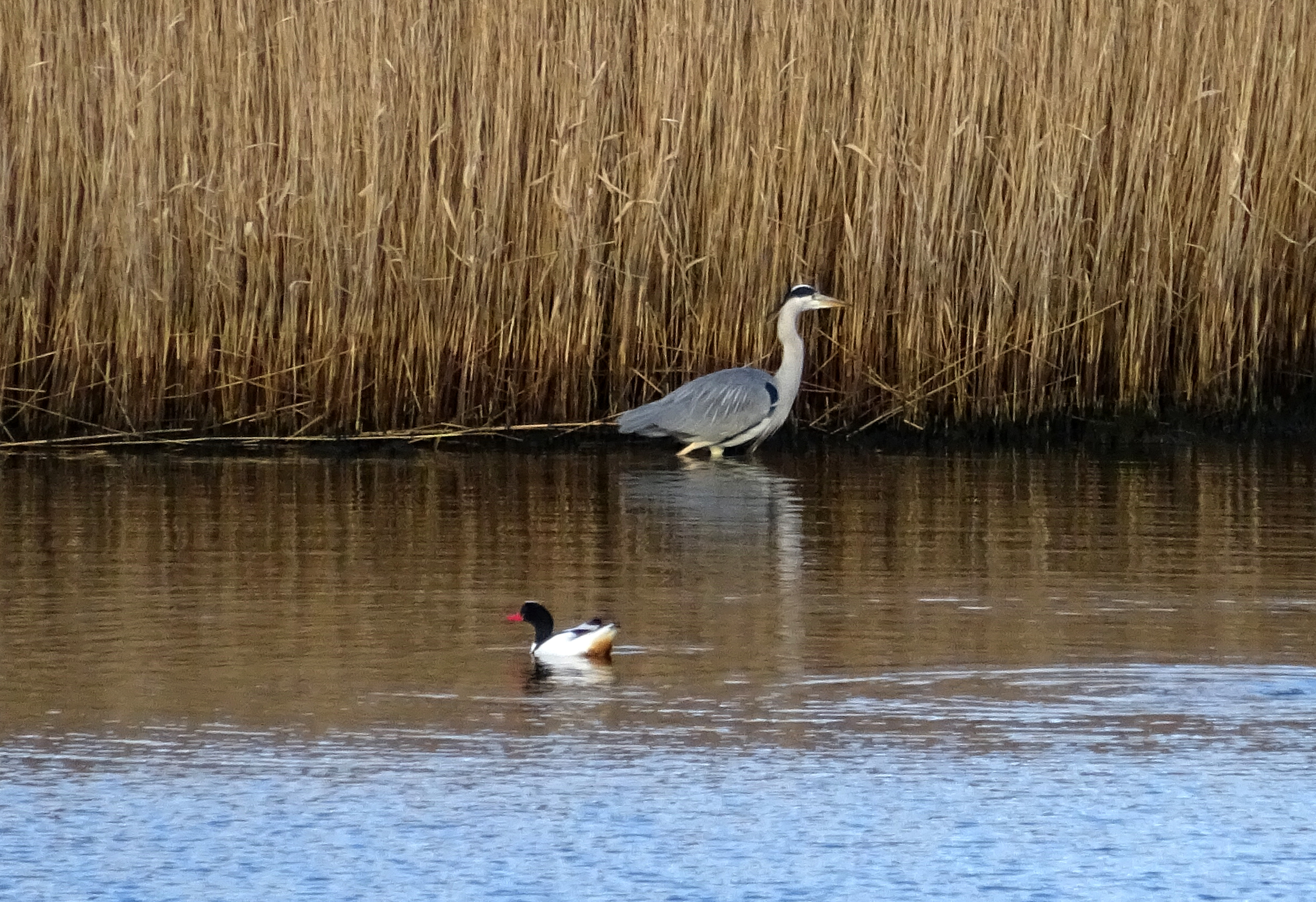
A Grey Heron skulks along the reed bed at The Haven, a Shelduck can also be seen in the foreground.
The Lewis Chessmen – British Museum
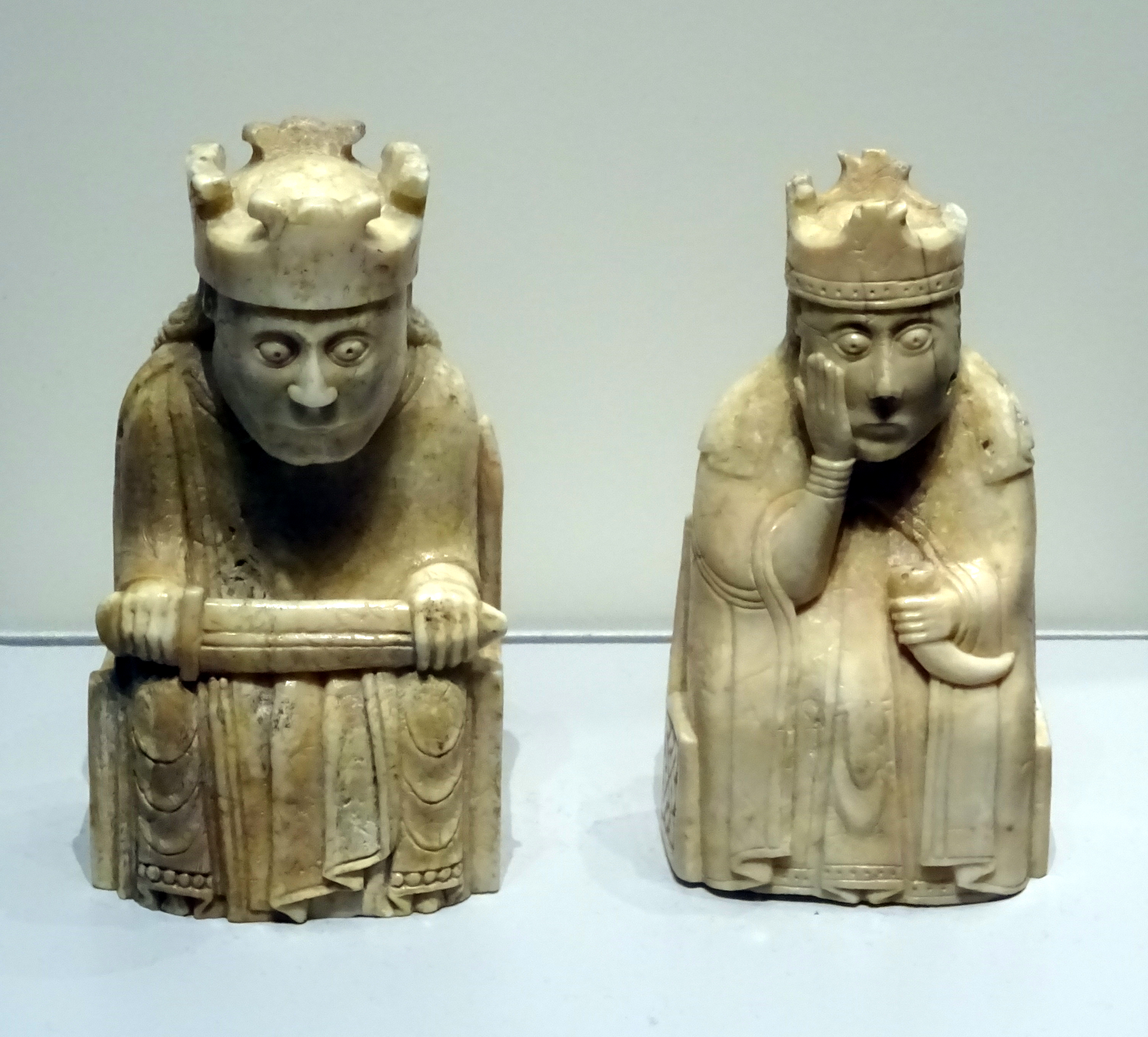
Also known as the UIG chessmen, these pieces date back to the 12th Century.
https://en.wikipedia.org/wiki/Lewis_chessmen
The Mystery of the Sands: The 12th-Century Lewis Chessmen
In 1831, a hoard emerged from a sandbank on the Isle of Lewis in the Outer Hebrides of Scotland that would change our understanding of medieval gaming and artistry.
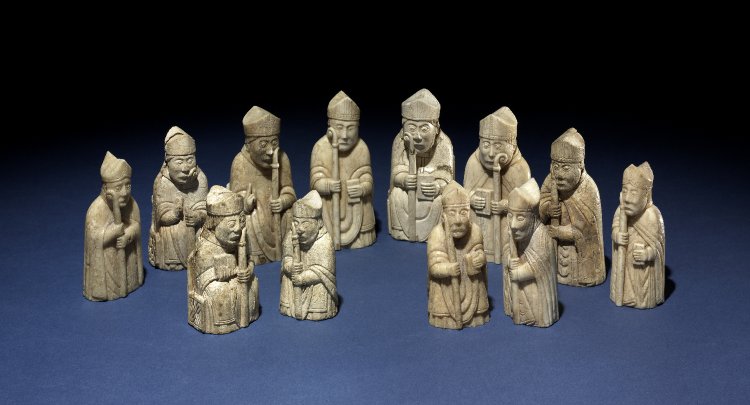
The Lewis Chessmen are perhaps the most famous chess pieces in the world. Comprising 93 artifacts (mostly chess pieces, but also some other gaming counters), the hoard dates back to the late 12th or early 13th century.
The Norse Connection While found in Scotland, analysis suggests they were carved in Trondheim, Norway. During this period, the Outer Hebrides were under Norse rule. The pieces are intricately carved from walrus ivory and sperm whale tooth, materials highly valued in the medieval trade networks.
A Window into the Medieval Mind Beyond their age, the pieces are beloved for their distinct human characteristics. Unlike abstract modern pieces, these are caricatures of medieval society. The Kings are seated with swords across their knees; Bishops are robed and contemplative; Knights are mounted on diminutive horses.
Most famous are the Rooks—depicted as fierce Norse “berserkers” biting their shields—and the Queens, who hold their hands to their faces in a gesture of contemplation or dismay.
Today, the hoard is divided between the British Museum in London and the National Museum of Scotland in Edinburgh. They remain a stunning testament to the craftsmanship and complex cultural connections of the Viking Age.
#History #Archaeology #MedievalStudies #VikingAge #Art andCulture #Museums
Fallow Deer – RSPB Arne
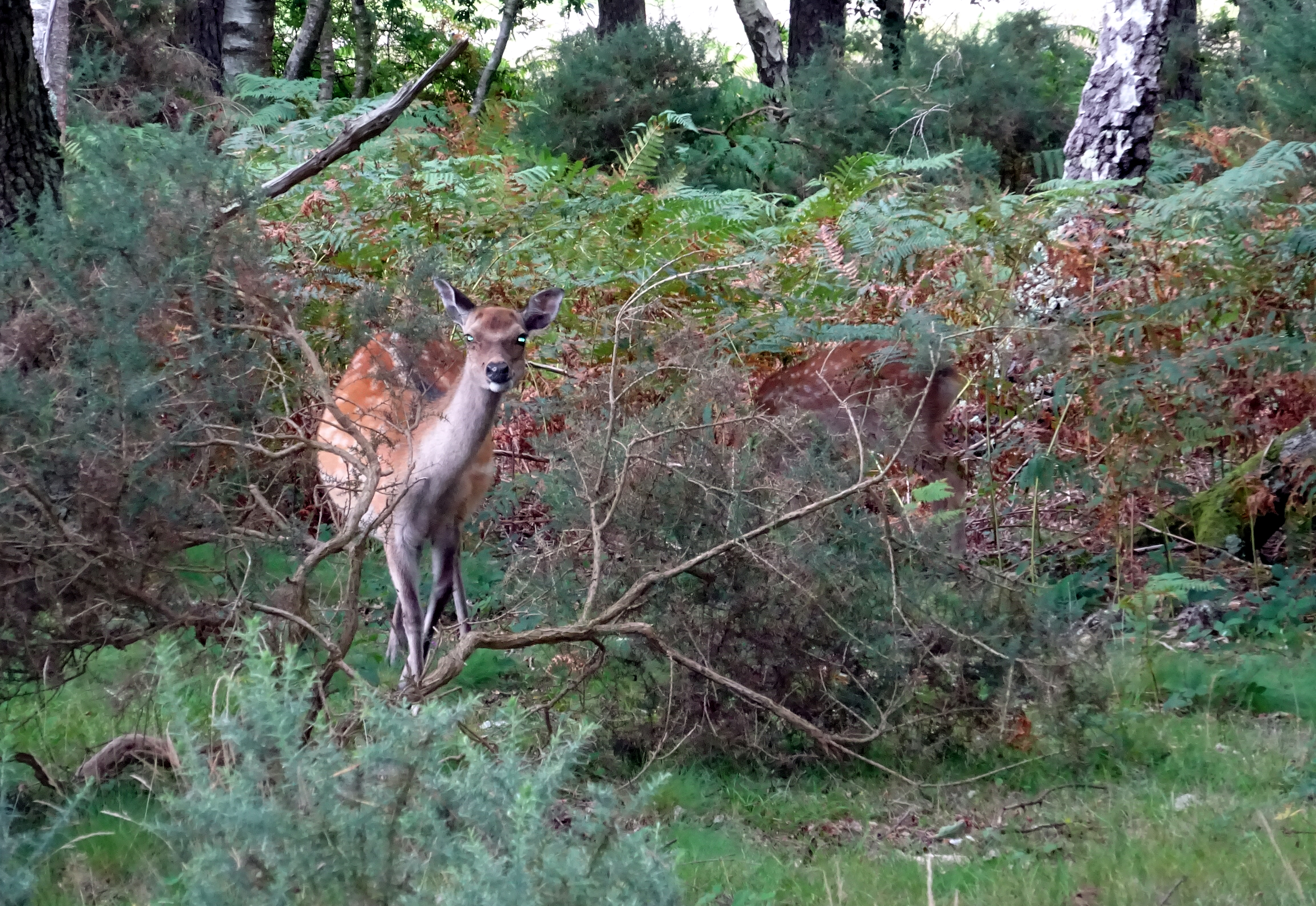
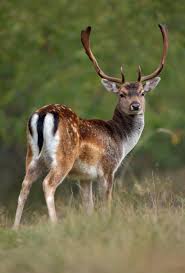
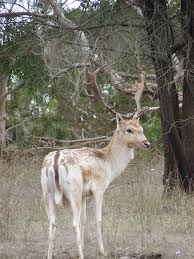
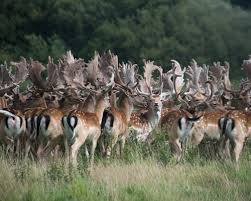
The fallow deer (Dama dama) is a medium-sized deer species known for its typically spotted coat, white rump patch outlined in black, and broad, palmate (shovel-shaped) antlers on the males (bucks).
Fallow deer are native to Europe and Anatolia, but have been widely introduced across the world, including the UK, North America, and Australia, and are considered a naturalised, widespread species in many of these regions.
Key Characteristics
- Size: They are medium-sized deer; adult males (bucks) weigh 46–93 kg, and females (does) weigh 35–56 kg.
- Appearance: The coat color is highly variable, with four main variations:
- Common: Chestnut-brown with white spots in summer, becoming a duller grey-brown in winter.
- Menil: Paler tan color with white spots that are visible all year.
- Melanistic: Almost entirely black or dark chocolate brown with no spots.
- White: A genuine color variation, not albino, appearing almost entirely white.
They all share a distinctive white rump patch with a black, horseshoe-shaped border and a long tail with a black stripe down the middle.
- Antlers: Only bucks have antlers, which are broad and flattened (palmate) in mature individuals and are shed and regrown annually.
- Habitat: They are adaptable and thrive in broadleaved or mixed woodlands with open clearings and parklands.
Behaviour and Diet
Fallow deer are social animals, typically living in herds, though outside the breeding season (rut), bucks often form separate bachelor groups. They are active throughout the day, but peak activity occurs at dawn and dusk.
Their diet is flexible, consisting mainly of:
- Grasses and herbs.
- Leaves, bark, and young tree shoots.
- Nuts, berries, and fungi in the autumn and winter.
Reproduction
The breeding season, known as the rut, occurs in October and November. During this time, bucks establish and defend “rutting stands” (territories) by thrashing foliage and calling loudly with groans or belly belches to attract and mate with does. After a gestation period of around 230 days, a single fawn is typically born in June or July.
Status and Management
While not native to the UK, fallow deer have been present for over 1,000 years and are now naturalised and widespread, making them the most common deer in England. However, in some areas, their high populations can cause damage to forestry and agriculture, necessitating careful population management. They are also a common cause of deer-vehicle collisions.
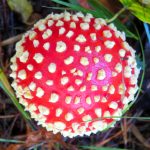
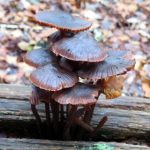
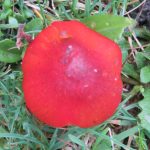
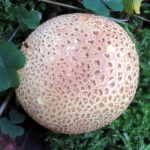
Fungi – Stansted Forest
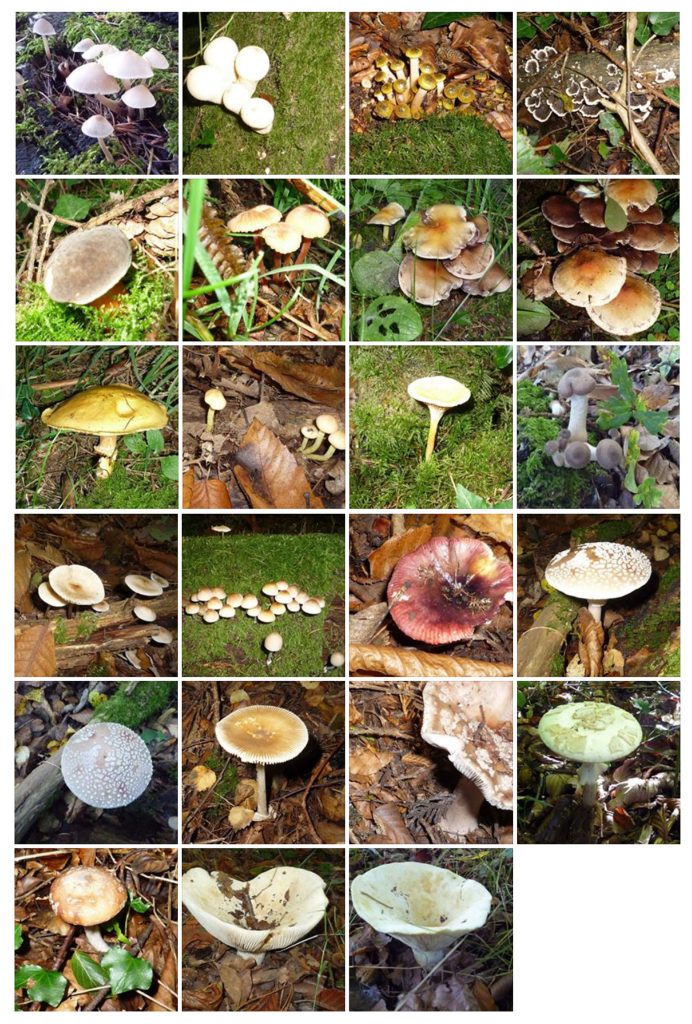
A selection of Fungi seen during an autumn walk at Stansted Forest in Hampshire, UK.
Achilles Shield – British Gallery “Troy” Exhibition

A representation of Achilles Shield, this exhibit was included in the recent “Troy” exhibition at the British Gallery, 2020.